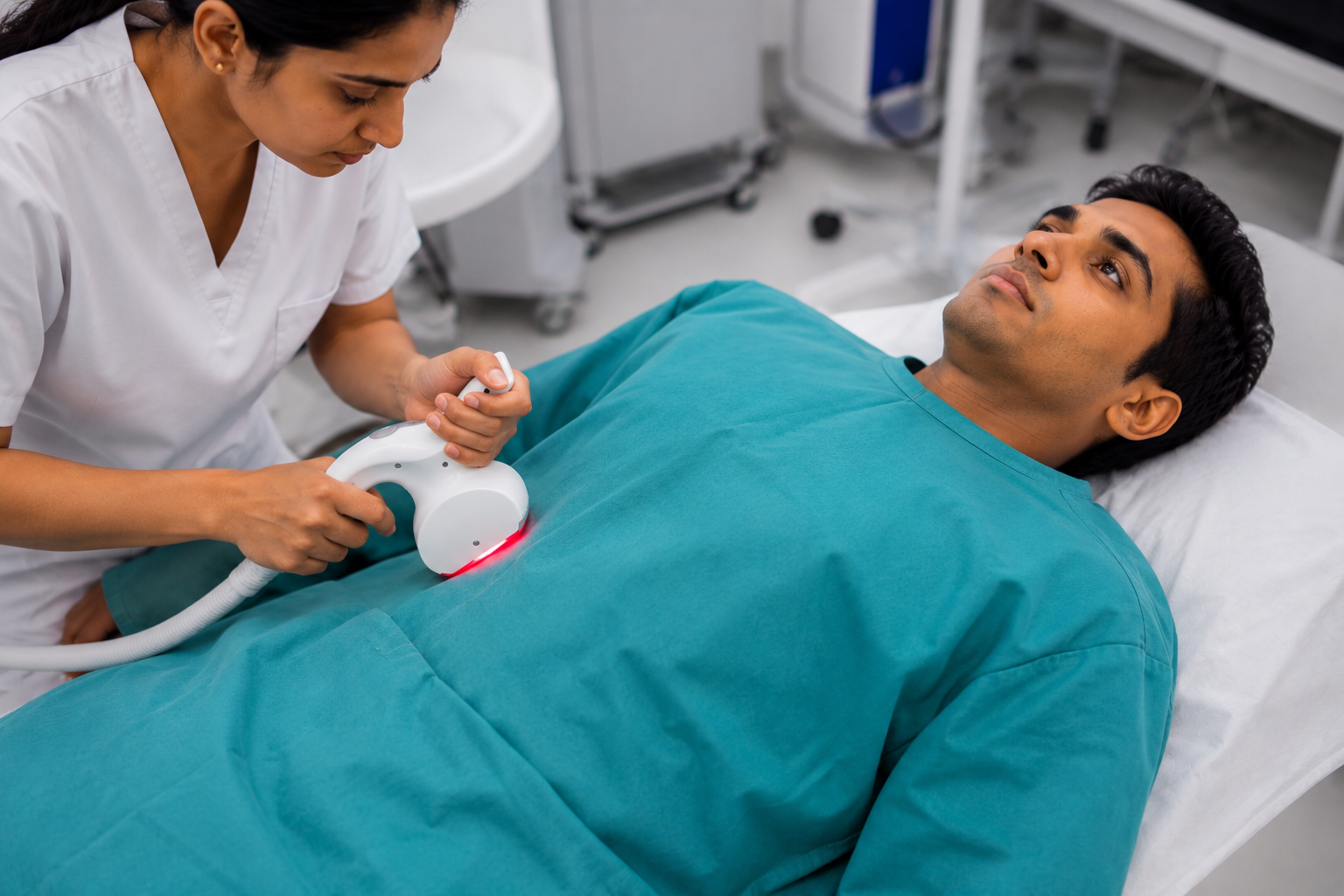
How Laser Technology is Transforming Kidney Stone Treatment A Better Way to Treat a Painful Problem Anyone who has dealt with kidney stones knows how suddenly the pain can take over life. It often starts as a sharp pain in the back or side, and within hours, even sitting still feels difficult. For many people, the bigger fear is not the stone itself, but the thought of surgery.Thankfully, treatment has changed a lot over the years. Today, many hospitals use laser kidney stone treatment because it is safer, cleaner, and much less stressful for patients compared to older methods. Instead of large cuts and long recovery periods, most people now look for options that help them get treated and return to normal life faster. Signs People Usually Ignore Kidney stones rarely arrive politely. They show up with symptoms people often dismiss first. Some common signs include: • Sudden pain in the lower back or side• Burning sensation while passing urine• Blood in urine• Frequent urge to urinate• Nausea or vomiting• Fever if infection has started Ignoring these signs can make things worse. The right urology treatment for kidney stones at the right time can prevent bigger complications later. How Laser Treatment Actually Works Many patients imagine open surgery when they hear treatment, but laser procedures are very different.Doctors usually perform a procedure called ureteroscopy: • A thin scope is passed through the urinary tract• No large external cuts are made• The stone is located using the scope• A laser breaks the stone into tiny pieces• These fragments either pass naturally or are removed safely This is why kidney stone laser surgery has become the preferred choice for many patients. Less fear, less pain, and usually a shorter hospital stay. Why Doctors Prefer Laser Technology This is not just about new machines looking advanced. Laser treatment genuinely improves outcomes. Why it is preferred: • Better precision• Less bleeding• Lower chance of infection• Faster healing• Shorter hospital stay• Less discomfort after treatment People searching for a kidney stone treatment hospital in Moga often ask us for laser procedures because they want treatment that feels manageable, not overwhelming. Recovery is Faster Than People Expect One common myth is that stone surgery means weeks of bed rest. That is usually not true with laser procedures. Most patients: • Walk within a few hours• Go home in a short time depending on the case• Return to light routine activities quickly• Need only short follow up care Of course, recovery depends on the size and position of the stone. Our kidney stone specialist in Moga will explain this clearly instead of giving unrealistic promises. Choosing the Right Doctor Still Matters Technology helps, but treatment decisions still depend on the doctor. Not every stone needs the same approach. Some may pass naturally, some need laser treatment, and some larger stones may require a different procedure altogether. That is why choosing the right doctor matters just as much as choosing the right technology. Patients looking for the best urologist for kidney stones in Moga often come to us for trust, clear guidance, and the confidence that the treatment plan is truly right for them. At Gomti Thapar Hospital, patients are guided through diagnosis first and treatment next, instead of being pushed toward unnecessary procedures. Small Habits That Help Prevent Stones Treatment is one part. Prevention is the bigger win. Doctors usually suggest: • Drinking enough water daily• Reducing excess salt intake• Avoiding too much processed food• Managing calcium balance properly• Following diet advice based on stone type• Regular follow up if stones are recurring Simple habits sound boring, but they save people from repeating the same painful experience. Kidney stone treatment today is not what it used to be ten years ago. Laser technology has made it more precise, less invasive, and far less frightening for patients. The goal is not just removing the stone. It is helping people feel normal again without dragging fear into every hospital visit. That is where practical care matters most. Good diagnosis, honest advice, and the right treatment choice often make all the difference. Frequently Asked Questions 1.Is laser treatment painful? No, the procedure is usually done under anesthesia, so patients do not feel pain during treatment. Mild discomfort after the procedure is normal and manageable. 2. How long does recovery take? Most patients recover faster than they expect and can return to normal activities much sooner than with traditional surgery. 3. Can small kidney stones pass naturally? Yes, some small stones may pass with medicines, fluids, and proper medical supervision. 4. Do all kidney stones need laser treatment? No, treatment depends on the size, location, and type of the stone. Some cases may need a different approach. 5. Is laser treatment safe? Yes, laser treatment is considered safe and is commonly used for effective stone removal with less discomfort. 6. Where should I go for treatment in Moga? Choosing the right kidney stone treatment hospital in Moga is important for accurate diagnosis, safe treatment, and faster recovery. At Gomti Thapar Hospital, patients receive treatment with advanced urology care and a focus on practical, patient specific solutions. 7. Does the doctor matter more than the machine? Yes, the experience of the best urologist for kidney stones in moga often makes a bigger difference than technology alone. At Gomti Thapar Hospital, the focus is always on the right diagnosis first, followed by the treatment that truly suits the patient.


Category: Urology · Kidney Stone
Kidney Stones in Summer: Why April–June Is the Riskiest Season for Your Kidneys
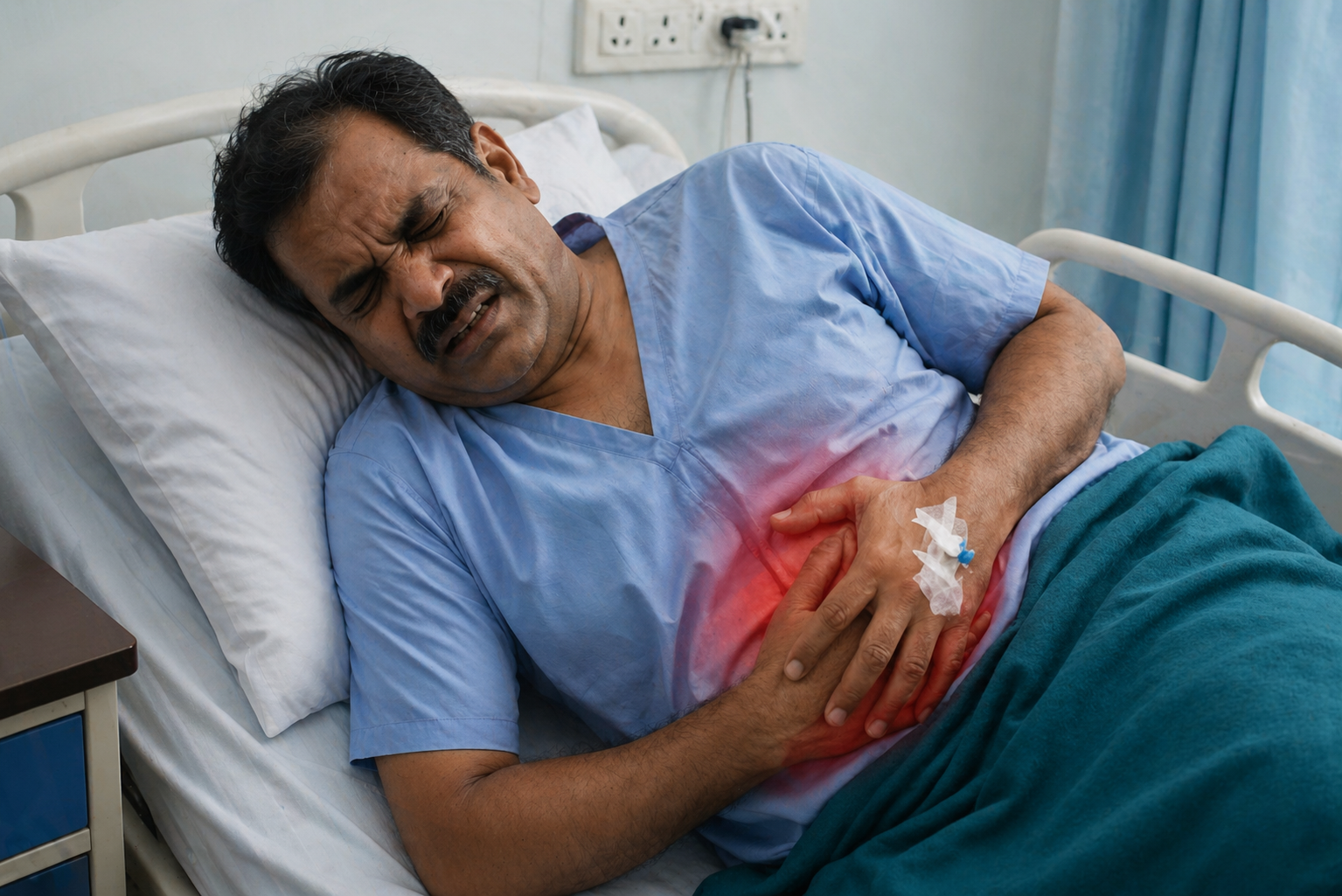
Kidney Stones in Summer: Why April–June Is the Riskiest Season for Your Kidneys Kidney Stones in Summer: Why April–June Is the Riskiest Season for Your Kidneys April to June in Punjab is not easy on the body. The heat builds up fast. Water intake drops without noticing. And small things start showing up. Pain that comes and goes. Discomfort while passing urine. A feeling that something is off but not serious enough to act on immediately. These are often early kidney stone symptoms. Most people ignore it at first. Until it becomes difficult to ignore. Why summer increases kidney stone risk The reason is not complicated. In summer, the body loses more water through sweat. If that is not replaced properly, urine becomes concentrated. That is when minerals start settling and forming crystals. At our centre, we see more cases needing kidney stone treatment in Punjab during these months than any other time of the year. It builds slowly, then shows up suddenly. What actually are kidney stones Kidney stones are not something that appear overnight. They form over time. Minerals in the urine start sticking together. Small crystals form first. Then they grow. Some stay small enough to pass. Some become large enough to cause pain or blockage. That is when it starts affecting daily life. Common symptoms people ignore The problem is not that symptoms are hidden. It is that they feel manageable.Common kidney stone symptoms include: • Sharp pain in the lower back or side• Burning sensation while passing urine• Blood in urine• Nausea or vomiting• Frequent urge to pass urine It does not always come all at once. It builds. Who is at higher risk in summer Not everyone faces the same risk. Some patterns show up more clearly. At Gomti Thapar Hospital, our urology hospital in Punjab, we usually see higher risk in: • People working outdoors for long hours• Those who drink less water through the day• Patients with previous stone history• Diets high in salt and processed food It is usually not one factor. It is a mix When should you see a doctor This is where most people delay. If the pain is sharp, keeps coming back, or if there is burning or blood in urine, it is better to consult our kidney stone doctor in Moga early. Waiting for it to pass on its own works sometimes. Not always. How kidney stones are diagnosed Diagnosis is not complicated. But it needs clarity. With our best urologist in Moga, evaluation usually includes scans and basic tests to understand size, position, and cause. • Ultrasound or CT scan • Urine test • Blood test It is not just about finding the stone. It is about understanding why it formed. Treatment options available Not every stone needs surgery. That is a common misconception.At Gomti Thapar Hospital, treatment for kidney stone surgery in Punjab is considered only when needed. Most cases start with simpler approaches • Medication to help pass smaller stones• Procedures like lithotripsy• Surgery if stones are large or complicated It depends on the case. Not a fixed path How to prevent kidney stones in summer This is the part most people ignore until it happens • Drinking water consistently through the day• Reducing excess salt intake• Avoiding long gaps without fluids• Keeping diet balanced Nothing extreme. Just consistent Why the right hospital matters Kidney stones are common. But how they are handled makes a difference. At Gomti Thapar Hospital, patients usually come in looking for clear direction more than anything else, especially when consulting our best urologist in Moga. Because once the pain starts, confusion makes it worse. Kidney stones are more common in summer. That part is predictable. What is not predictable is how quickly it can go from manageable to severe. Paying attention early helps. Not overthinking. Just not ignoring. Frequently Asked Questions 1. What are the first signs of kidney stones Early signs usually include pain in the lower back or side, burning while passing urine, or frequent urge to urinate. These are common kidney stone symptoms that should not be ignored. 2. Why are kidney stones more common in summer During summer, the body loses more water through sweat. If fluids are not replaced properly, urine becomes concentrated, which increases the chances of stone formation. 3. When should I see a doctor for kidney stones If the pain is severe, keeps returning, or if there is blood in urine or vomiting, it is better to consult early instead of waiting. 4. Can kidney stones go away without treatment Smaller stones may pass on their own with medication and hydration. Larger stones usually need medical support or procedures. 5. Is surgery always required for kidney stones No. At centres offering kidney stone surgery Punjab, surgery is usually considered only when other treatments are not effective or when the stone is too large. 6. How much water should I drink to prevent kidney stones It is generally advised to drink enough water so that urine stays light in colour. In summer, intake should be higher than usual. 7. Where can I get kidney stone treatment in Moga You can visit Gomti Thapar Hospital for structured kidney stone treatment Punjab with proper evaluation and treatment planning. 8. Who should I consult for kidney stone problems A urologist is the right specialist to consult. At Gomti Thapar Hospital, patients usually seek guidance from a best urologist in Moga for diagnosis and treatment.