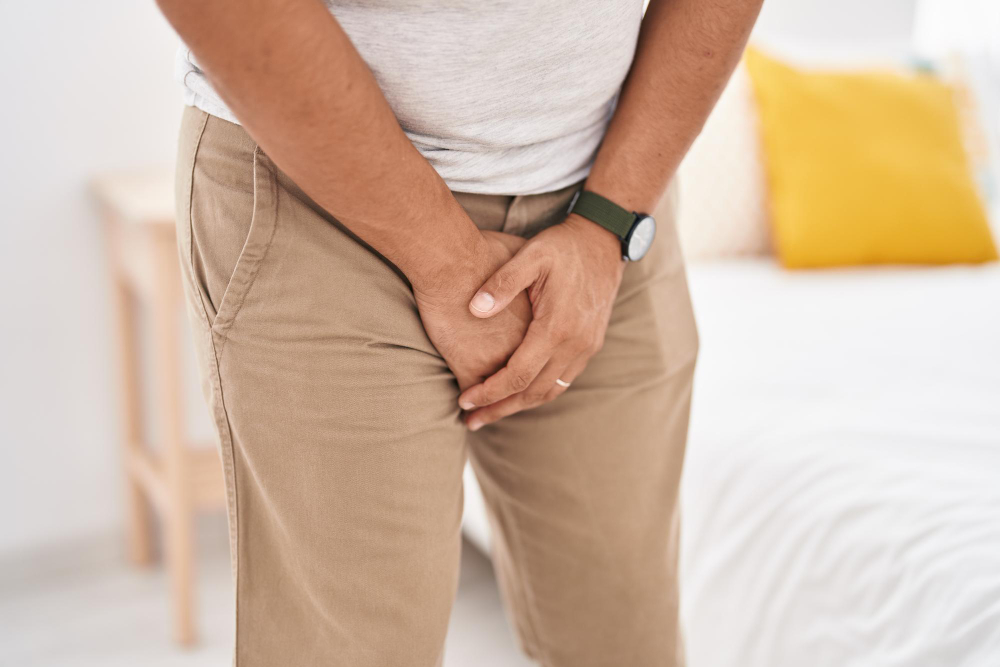
Common urological Conditions Affecting Men What are the most common urological conditions affecting men Urological health is something many men tend to ignore, until a problem starts affecting their comfort, daily routine, or confidence. The truth is, the urinary and reproductive systems are deeply linked, and as men age, certain conditions become more likely. Whether you’re in your 30s or nearing retirement, staying informed can help you spot early signs and seek help before things get serious. Let’s explore the most common issues in Men’s Urological Health, what causes them, and when it’s time to see a specialist. Benign Prostatic Hyperplasia (BPH) As men grow older, it’s common for the prostate to enlarge. This isn’t cancer, but it can still cause plenty of trouble. BPH, or benign prostatic hyperplasia, can lead to frequent urination, difficulty starting, or feeling like you haven’t fully emptied your bladder. It’s one of the most frequently diagnosed Urological Conditions in Men, especially over age 50. Treatment ranges from medications to simple, minimally invasive procedures. Urinary Tract Infections (UTIs) Though often thought of as a “women’s issue,” UTIs can affect men too, especially those with diabetes, enlarged prostate, or who are prone to dehydration. Symptoms include burning sensation during urination, pelvic discomfort, and cloudy urine. In Male Urology, UTIs are often linked to underlying conditions, so it’s important not to ignore them, especially if they keep coming back. Erectile Dysfunction (ED) More than just a performance issue, erectile dysfunction can be an early warning sign of other health problems, like heart disease, diabetes, or even hormone imbalances. While many men suffer silently, it’s one of the most treatable conditions in Men’s Health today. From lifestyle changes and medications to advanced therapies, there’s no reason to avoid the conversation. Kidney Stones Sharp pain in the back, nausea, and blood in urine are all telltale signs of kidney stones, hard deposits that form in the kidneys and try to pass through the urinary tract. Men are statistically more likely to get kidney stones than women. Early hydration and dietary changes can help reduce your risk, but in severe cases, medical intervention is needed. Staying informed about kidney health is an essential part of maintaining Men’s Urological Health at any age. Prostatitis This is an inflammation of the prostate, often confused with BPH. It can be bacterial or non-bacterial, and symptoms may include pain during urination, lower back pain, or even painful ejaculation. It affects younger and middle-aged men more commonly and is often overlooked in early stages. Among Urological Conditions in Men, prostatitis is one of the most misunderstood, which makes timely diagnosis all the more important. Incontinence Urinary leakage may feel embarrassing to talk about, but it’s far more common than most men think. It can be caused by surgery, nerve damage, or underlying prostate issues. In Male Urology, incontinence is manageable with both medical and behavioural strategies, and sometimes minor procedures. Early intervention can greatly improve quality of life. Signs That Shouldn’t Be Ignored Here are some symptoms that warrant immediate attention – Blood in urine Sudden, severe lower back or abdominal pain Difficulty urinating or completely emptying the bladder Pain or swelling in the testicles Changes in sexual performance or drive Even if symptoms seem mild or come and go, don’t brush them off. Preventive care is the strongest pillar of Men’s Health, especially when it comes to urological function. For many men, talking about urinary or sexual health feels awkward. But ignoring symptoms only delays solutions, and early intervention makes all the difference. Whether it’s a simple test, a scan, or lifestyle advice, urologists are trained to help men regain control over their bodies and confidence. At Gomti Thapar Hospital, our specialists take a discreet, respectful, and personalized approach to every case. From diagnosis to recovery, your privacy and well-being are always our priority.


Category: Urology
Reason Behind Excessive Urination at Night
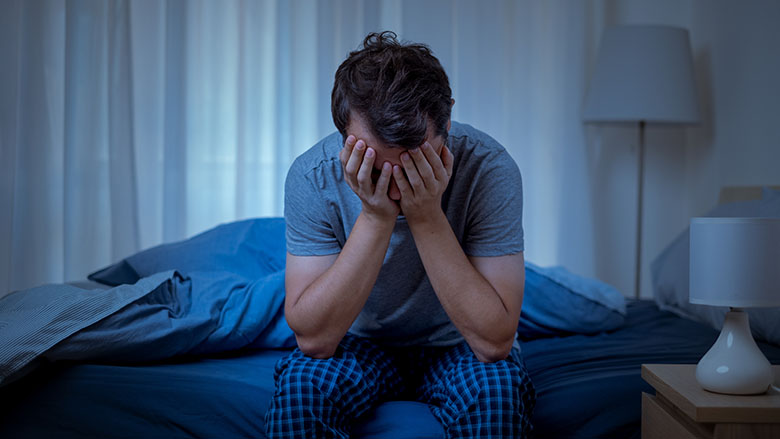
Nighttime Urination | Link Between Nocturia & Sleep Apnea Why Do You Wake Up to Pee? The Link Between Nocturia and Sleep Apnea Waking up multiple times during the night to urinate can be frustrating and disruptive to your sleep. This condition, known as nocturia, is often more than just an inconvenience—it can be a sign of underlying health issues. One such condition that may be linked to frequent nighttime urination is sleep apnea. Understanding the connection between nocturia and sleep apnea is crucial for managing your health effectively. This blog will explore why you might wake up to pee and how sleep apnea might play a role, while also offering insights into effective treatments and resources available in Punjab. What is Nocturia? Nocturia refers to the frequent need to urinate during the night, which disrupts your sleep. This condition can lead to fragmented sleep, leaving you feeling tired and unrefreshed. There are several possible causes of nocturia, including excessive fluid intake before bedtime, bladder infections, and certain medications. However, one lesser-known cause that is gaining attention is sleep apnea. The Link Between Nocturia and Sleep Apnea Sleep apnea is a serious sleep disorder where your breathing is interrupted during sleep. The most common type, obstructive sleep apnea (OSA), occurs when the muscles at the back of your throat relax excessively, blocking the airway and causing breathing pauses.One of the reasons for sleep apnea is that the lack of proper airflow can lead to increased production of urine. When you experience sleep apnea, your body is often subjected to multiple brief awakenings throughout the night, which can stimulate the bladder and increase the need to urinate. Additionally, the stress on your body caused by frequent breathing interruptions can lead to the release of hormones that affect fluid balance and increase urine production. Symptoms and Diagnosis The primary symptoms of sleep apnea include loud snoring, choking or gasping during sleep, excessive daytime sleepiness, and difficulty concentrating. If you are experiencing frequent urination at night along with these symptoms, it is important to consult a healthcare professional for a thorough evaluation.To diagnose sleep apnea, your doctor might recommend a sleep study, also known as polysomnography. This test monitors various physiological parameters during sleep, including brain activity, eye movement, and airflow. Managing Nocturia and Sleep Apnea If sleep apnea is contributing to your nocturia, addressing the sleep disorder can help alleviate the frequent nighttime urination. Here are some management strategies: Continuous Positive Airway Pressure (CPAP): The most common treatment for sleep apnea involves using a CPAP machine. This device keeps your airway open by delivering a continuous flow of air through a mask you wear while sleeping. Lifestyle Changes: Adopting a healthier lifestyle can also improve sleep apnea symptoms. Losing weight, avoiding alcohol, and quitting smoking can help reduce the severity of sleep apnea. Medications for Overactive Bladder: In some cases, medications may be prescribed to manage an overactive bladder, which can help reduce the frequency of nighttime urination. These medications work by relaxing the bladder muscles and reducing the urge to urinate. Bladder Training: Bladder training techniques, such as scheduling bathroom visits and gradually extending the time between urinations, can also be beneficial in managing nocturia. Finding the right specialist is crucial for effective treatment. Renowned urologists at Gomti Thapar Hospital provide expert care for patients dealing with nocturia and other urological concerns. Their expertise ensures that you receive personalized treatment plans tailored to your needs. Conclusion Waking up frequently to urinate during the night can be more than just an annoyance; it can be a sign of an underlying condition such as sleep apnea. Understanding the link between nocturia and sleep apnea is crucial for addressing both issues effectively. By seeking proper diagnosis and treatment, including using a CPAP machine, making lifestyle changes, and considering medications for overactive bladder, you can manage your symptoms and improve your quality of life. For those in Punjab, Gomti Thapar Hospital offers exceptional urological care, and consulting with the best urologist in Punjab can provide you with the guidance needed to manage your condition effectively. If you suspect you might have sleep apnea or are struggling with frequent nighttime urination, don’t hesitate to reach out to a healthcare provider for a comprehensive evaluation and personalized treatment plan.