

How Does Aging Affect Urinary Health in Men and Women?
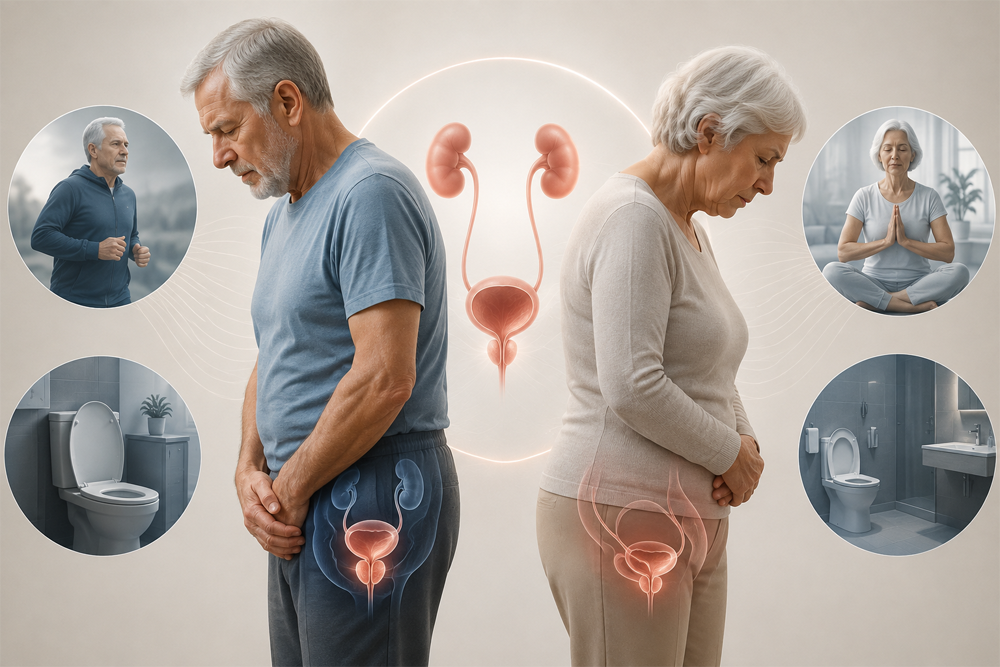
How Does Aging Affect Urinary Health in Men and Women?
As we grow older, our bodies go through many changes, and the urinary system is no exception. Changes in the kidneys, bladder, urinary muscles and, in some cases, the prostate can affect how often a person urinates and how well they are able to control or empty their bladder.
While some urinary changes with aging are common, frequent or troublesome symptoms should not always be considered an unavoidable part of getting older. Difficulty passing urine, urine leakage, frequent urination or repeated infections may sometimes point to an underlying condition that needs medical attention.
Understanding how aging affects urinary health can help both men and women recognise symptoms early and seek the right urine problem in old age solution.
How Does Aging Affect the Urinary System?
The urinary system includes the kidneys, ureters, bladder and urethra. With age, several changes may occur:
- The kidneys may become less efficient at filtering waste and maintaining fluid balance.
- The bladder may hold less urine than before.
- Bladder muscles may become weaker or less flexible.
- The urge to urinate may become more frequent.
- Some people may experience difficulty completely emptying the bladder.
- The muscles that help control urine flow may weaken.
These changes can make older adults more likely to experience urinary urgency, frequent urination, nighttime urination and, in some cases, urine leakage.
However, significant changes in urinary habits should always be assessed, especially when they interfere with daily life or appear suddenly.
Common Urinary Changes With Aging
1. Frequent Urination
Many older adults notice that they need to urinate more often. This may happen because the bladder’s capacity and ability to store urine can change with age.
However, frequent urination can also be associated with conditions such as urinary tract infections, diabetes, certain medications or bladder problems. Identifying the underlying cause is important before choosing treatment.
2. Waking Up Frequently at Night to Urinate
Getting up once in a while at night may not always be a concern. But waking up multiple times every night to urinate can disturb sleep and affect overall quality of life.
This may be related to changes in bladder function, increased urine production at night, fluid intake patterns or other medical conditions.
3. Urinary Urgency
Some older adults may suddenly feel a strong and difficult-to-control urge to urinate. This can make it challenging to reach the bathroom in time.
Urgency may occur due to changes in bladder function, but it can also be linked to infection or other urinary conditions.
4. Urinary Incontinence
Urinary incontinence refers to the involuntary leakage of urine. It can affect both men and women and may range from occasional small leaks to more significant loss of bladder control.
Common types include:
- Stress incontinence: Leakage during coughing, sneezing, laughing or physical activity.
- Urge incontinence: A sudden, intense urge to urinate followed by leakage.
- Overflow incontinence: Leakage caused by incomplete bladder emptying.
- Functional incontinence: Difficulty reaching the bathroom due to mobility or other physical limitations.
The right treatment depends on the type and underlying cause of the problem.
Urine Problems in Men as They Age
A common urine problem in men during older age is related to changes in the prostate. The prostate may enlarge with age, which can put pressure on the urethra and affect the normal flow of urine.
Men may experience symptoms such as:
- Difficulty starting urination
- A weak or interrupted urine stream
- Dribbling after urination
- Feeling that the bladder has not emptied completely
- Frequent urination
- Increased need to urinate at night
- Sudden urgency to urinate
Although an enlarged prostate is a common reason for urinary symptoms in older men, other conditions can also cause similar problems. Therefore, persistent symptoms should be properly evaluated rather than self-treated.
Urine Problems in Women as They Age
A urine problem in female patients can become more common with aging due to changes in the pelvic floor, bladder and hormonal status.
Women may experience:
- Frequent urination
- Urinary urgency
- Urine leakage
- Difficulty holding urine
- Repeated urinary tract infections
- Discomfort while urinating
Weakening of the pelvic floor muscles can affect bladder control. Hormonal changes after menopause may also contribute to changes in the urinary tract.
The good news is that many urinary problems in women can be managed with appropriate treatment, lifestyle changes, pelvic floor exercises or other medical interventions, depending on the cause.
When Is a Urine Problem in Old Age a Cause for Concern?
Not every urinary change is serious, but some symptoms should never be ignored. Medical evaluation is important if there is:
- Blood in the urine
- Pain or burning while urinating
- A sudden inability to pass urine
- Repeated urinary tract infections
- Severe or worsening urinary leakage
- Persistent difficulty starting or maintaining urine flow
- A constant feeling of incomplete bladder emptying
- Sudden major changes in urinary habits
- Fever along with urinary symptoms
- Flank, abdominal or pelvic pain
Early diagnosis can help identify the cause and prevent complications.
What Is the Right Urine Problem in Old Age Solution?
There is no single solution for every urinary problem. Treatment depends on what is causing the symptoms.
After a proper evaluation, management may include:
Lifestyle Changes
Simple measures may help improve bladder health, such as:
- Managing fluid intake appropriately
- Avoiding excessive caffeine when it worsens symptoms
- Maintaining a healthy weight
- Following regular bathroom habits
- Staying physically active
Pelvic Floor Exercises
Strengthening the pelvic floor muscles may help improve bladder control, particularly for some people with urinary leakage.
Treatment for Underlying Conditions
Conditions such as urinary infections, prostate problems, diabetes or bladder disorders may require specific treatment. Addressing the underlying cause is an important part of finding the right urine problem in old age solution.
Medical or Surgical Treatment
Depending on the diagnosis, a doctor may recommend medication, minimally invasive procedures or surgery for certain urinary conditions.
Can Urinary Problems Be Prevented?
It may not always be possible to prevent every age-related urinary change, but healthy habits can support better urinary health.
Some helpful steps include:
- Drinking adequate fluids
- Not delaying urination for long periods
- Maintaining good personal hygiene
- Managing conditions such as diabetes and high blood pressure
- Staying physically active
- Seeking timely treatment for urinary symptoms
- Having regular medical check-ups when recommended
Most importantly, older adults should not feel embarrassed about discussing urinary problems. These conditions are common, and many can be effectively managed with the right medical care.
When Should You See a Doctor?
If urinary symptoms are persistent, worsening or affecting sleep and daily activities, it is advisable to seek medical attention. A proper assessment can help determine whether the symptoms are related to normal age-related changes or an underlying condition.
For both men and women, early evaluation can make a significant difference in managing urinary health and improving quality of life.
Conclusion
Aging can bring several changes to the urinary system, including more frequent urination, nighttime urination, urgency and bladder control problems. Men may experience urinary symptoms related to prostate changes, while women may be more affected by changes in pelvic floor strength and hormonal factors.
Although urinary changes with aging are common, persistent symptoms should not simply be ignored. Identifying the cause is the first step towards finding the right urine problem in old age solution.
If you or a loved one is experiencing a persistent urine problem in men or urine problem in female patients, consulting a qualified healthcare professional can help identify the underlying cause and guide appropriate treatment.
At Gomti Thapar Hospital, timely evaluation and appropriate medical care can help patients address urinary concerns and take better control of their health and quality of life.