

Urine Changes You Shouldn't Ignore: Signs of UTI, Causes & Cure
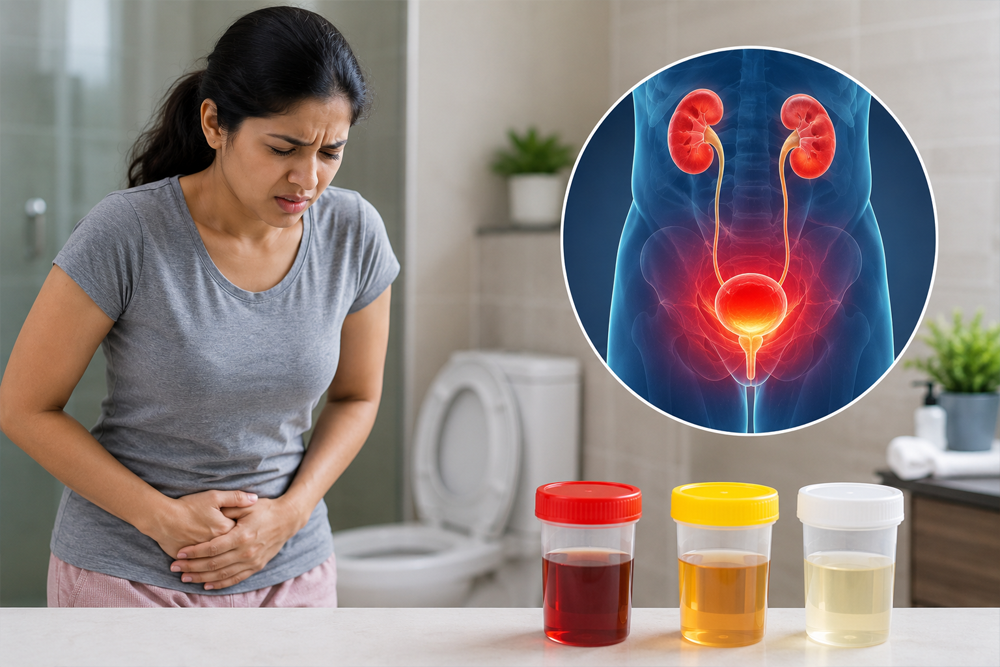
Urine Changes You Shouldn't Ignore: Signs of UTI, Causes & Cure
Most of us don’t pay much attention to our urine until something starts to feel different.
It may begin with a slight discomfort while passing urine. You tell yourself it’ll settle after drinking more water. But then you find yourself rushing to the washroom every hour, and each visit feels more uncomfortable than the last.
A urinary tract infection is one of the most common infections affecting both men and women, especially women. Recognising the symptoms early and seeking the right urinary tract infection treatment can help prevent the infection from spreading to the kidneys and causing more serious problems.
When Your Body is Trying to Tell You Something
A urinary tract infection, commonly called a UTI, occurs when bacteria enter the urinary system and begin multiplying. The infection may affect the bladder, urethra, ureters or even the kidneys if left untreated.
The good news is that most UTIs respond well to treatment, particularly when diagnosed early. Ignoring the symptoms, however, can make recovery longer and increase the risk of complications.
It's Not Just Burning While Passing Urine
Many people think a UTI always causes severe pain. Not necessarily.
For some, it starts with a mild burning sensation while urinating. Others simply notice that they’re visiting the toilet much more often than usual. Some people experience only one or two symptoms in the beginning.
Common signs include:
- Burning or pain while passing urine
- Frequent urge to urinate
- Passing only small amounts of urine
- Cloudy or foul smelling urine
- Blood in the urine
- Pain in the lower abdomen or pelvis
- Fever or chills in more severe infections
If these symptoms continue for more than a day or become worse, it’s time to see a doctor.
Why Do UTIs Happen?
People often assume poor hygiene is the only cause. That’s only part of the story.
Several factors can increase the risk of developing a UTI, including dehydration, holding urine for long periods, diabetes, pregnancy, kidney stones and certain urinary tract abnormalities. Women are generally more prone to UTIs because of the shorter length of the urethra, allowing bacteria to reach the bladder more easily.
Sometimes, the infection can return repeatedly, making it important to identify the underlying cause instead of treating each episode separately.
Don't Ignore Changes in Your Urine
Your urine often gives important clues about your health.
Changes in colour, smell or frequency don’t always mean there’s an infection. Certain foods, medicines and dehydration can also alter the appearance of urine. But when these changes occur along with pain, fever or persistent discomfort, they deserve medical evaluation rather than guesswork.
Waiting for the symptoms to disappear on their own isn’t always the best approach, especially if the infection has already started spreading.
How is a UTI Diagnosed?
A diagnosis isn’t based only on symptoms. Your doctor will usually ask about your medical history and examine your symptoms before recommending tests.
Depending on the situation, the evaluation may include:
- Urine routine examination
- Urine culture
- Blood tests if required
- Ultrasound or other imaging in recurrent or complicated infections
These investigations help confirm the infection and identify the bacteria responsible, allowing the most appropriate treatment to be prescribed.
How is a UTI Treated?
One of the biggest mistakes people make is assuming every UTI will go away on its own. While drinking more water may help ease mild discomfort, it doesn’t eliminate the bacteria causing the infection.
The right urinary tract infection treatment depends on the severity of the infection, your symptoms and, in some cases, the results of a urine culture. Early treatment usually leads to faster recovery and lowers the risk of the infection spreading to the kidneys.
Do All UTIs Need Antibiotics?
Not every urinary symptom is caused by a bacterial infection. That’s why doctors don’t recommend taking antibiotics without a proper evaluation.
When a bacterial UTI is confirmed, antibiotic treatment for UTI is usually the most effective option. The choice of antibiotic depends on the type of bacteria, the severity of the infection and your medical history. Completing the full course is important, even if you start feeling better after a couple of days.
Stopping medicines too early can increase the chances of the infection returning and may also contribute to antibiotic resistance
Can You Prevent a UTI?
The answer is yes, at least in many cases.
Simple everyday habits can reduce the chances of developing another infection:
- Drink enough water throughout the day.
- Don’t hold urine for long periods.
- Maintain good personal hygiene.
- Empty your bladder after sexual activity.
- Wear loose, breathable cotton underwear.
- Manage diabetes and other underlying medical conditions.
These habits don’t guarantee you’ll never develop a UTI, but they can certainly reduce the risk
When Should You See a Doctor?
Some people wait until the pain becomes unbearable before seeking medical care. That’s not a good idea.
Consult a urologist for UTI if your symptoms persist for more than a day, return frequently or are accompanied by fever, chills, back pain or blood in the urine. These could indicate that the infection has spread beyond the bladder and needs prompt treatment.
Early diagnosis often means simpler treatment and a quicker recovery.
A urinary tract infection is common, but that doesn’t mean it should be ignored. Persistent burning, frequent urination or noticeable changes in your urine deserve medical attention, especially if the symptoms continue to worsen.
At Gomti Thapar Hospital, our experienced Urine Infection Specialist in Moga provides comprehensive evaluation and personalised care to identify the cause of your symptoms and recommend the most appropriate treatment. If you’re looking for a trusted urologist for UTI, our team is here to help you recover safely and prevent future infections.
Frequently Asked Questions
The earliest symptoms often include a burning sensation while urinating, frequent urination, cloudy urine and discomfort in the lower abdomen.
Some mild urinary symptoms may improve with hydration, but a confirmed bacterial infection usually requires antibiotic treatment for UTI to clear the infection completely.
Most uncomplicated UTIs improve within a few days after starting urinary tract infection treatment, although it's important to complete the entire course of prescribed medicines.
You should consult a doctor if symptoms last longer than 24 to 48 hours, become severe or are associated with fever, back pain or blood in the urine.
Yes. Some people experience recurrent UTIs, especially if underlying risk factors such as kidney stones, diabetes or urinary tract abnormalities are present.
If you have persistent urinary symptoms or frequent infections, consult our experienced Urine Infection Specialist in Moga at Gomti Thapar Hospital for accurate diagnosis and personalised treatment.
This content is medically reviewed by:
Dr. Ashish Koura
Director – Department of Obstetrics, Gynaecology & Infertility
Gomti Thapar Hospital, Moga