
The 4 Causes of Female Infertility You Need to Know About The 4 Causes of Female Infertility You Need to Know About Struggling to conceive can feel frustrating and confusing. Many women silently wonder if something is wrong but hesitate to ask. The truth is, female infertility is not rare, and most causes are medical and diagnosable. The important thing is identifying the reason early instead of waiting for years. 1. Ovulation Problems Ovulation issues are one of the most common causes. If the ovary does not release an egg regularly, pregnancy becomes difficult. Common signs include: Irregular periods Very long gaps between cycles Extremely heavy or very light bleeding Sudden weight gain or acne in some women If cycles are unpredictable for months, it is better to consult a specialist. Our gynaecologist in Moga at Gomti Thapar Hospital may suggest hormone tests and essential scans to understand what is actually happening. 2. Blocked Fallopian Tubes The fallopian tubes carry the egg from the ovary to the uterus. If they are blocked, fertilisation usually cannot happen in a natural way. The difficult part is that many women do not feel anything unusual, so the problem stays unnoticed for a long time. Causes may include: Past pelvic infections Tuberculosis Previous abdominal surgeries Untreated pelvic inflammation With proper evaluation and advanced diagnostic tools and treatment, these hidden tubal problems can be identified and addressed before they lead to years of unnecessary delay. 3. Uterine Problems Sometimes the problem is not ovulation or the tubes, but the uterus itself. Things like fibroids, polyps, or internal scarring can quietly affect implantation without very obvious symptoms in the beginning. Possible warning signs: Painful periods Heavy bleeding Repeated early pregnancy losses Early screening for female infertility can help pick up these structural issues before they slowly become more complicated. 4. Age Related Factors Age plays a bigger role than many couples realise. Egg quality and number naturally decline over time, especially after 35. This does not mean pregnancy is impossible, but waiting without evaluation reduces chances. Renowned as the best gynecology hospital in Moga, we at Gomti Thapar Hospital in Moga help couples understand their options clearly instead of simply guessing or waiting without direction. When Should You See a Doctor You should consider consultation if: You are under 35 and trying for one year without success You are above 35 and trying for six months Your periods are very irregular You have severe pelvic pain Infertility is not something to feel ashamed about. It is a medical condition with causes that can usually be identified. With timely consultation and the right advanced diagnostic tools and treatment, most couples get answers, and many go on to conceive successfully.


Category: Gynaecology · Infertility
Exploring the Connection Between C-Sections and Secondary Infertility

Exploring the Connection Between C-Sections and Secondary Infertility Exploring the Connection Between C-Sections and Secondary Infertility Childbirth is one of life’s most profound experiences, but for some women, complications during or after delivery can lead to unexpected challenges in their reproductive health. A C-section delivery (caesarean section) is a common surgical procedure performed when a vaginal delivery is not possible or safe for the mother or baby. While C-sections have helped millions of women safely deliver their babies, some women face challenges in conceiving again after having a C-section. Let’s explore the connection between C-section and secondary infertility. Understanding Secondary Infertility Secondary infertility refers to the inability to conceive after already having one or more children. Unlike primary infertility, where a woman struggles to conceive for the first time, secondary infertility often occurs after a previous pregnancy. Many factors contribute to secondary infertility, and one possible cause is the side effects of C-section delivery. The Impact of C-Sections on Future Fertility While C-sections are generally safe and essential in many cases, they can carry risks and side effects that might affect a woman’s fertility later. Here are a few potential factors to consider: Scar Tissue and Adhesions: After a C-section, the body forms scar tissue at the site of the incision. This scar tissue can sometimes cause adhesions, which may bind organs together, including the ovaries or fallopian tubes. Adhesions can hinder the movement of the egg or sperm, leading to difficulty in conception. Uterine Complications: A C-section can lead to a weakened or scarred uterus, which may affect the implantation of a fertilized egg. In some cases, the uterine wall may become less receptive to embryo implantation, leading to difficulties in pregnancy. Infection or Inflammation: Although rare, infections or inflammation after a C-section can lead to complications that impact fertility. These infections can cause damage to reproductive organs or obstruct the fallopian tubes, making it harder to conceive. Delay in Pregnancy: After having a C-section, many women are advised to wait a certain period before trying for another pregnancy. This waiting period is necessary to ensure the body has fully healed from the surgery. However, for some women, this delay can be longer than anticipated, leading to concerns about secondary infertility. The Path to Conceiving Again After a C-Section For women who have had a C-section and are experiencing difficulty conceiving, there are several options available. Consulting with our expert for the best infertility treatment in Punjab can provide valuable insights into the factors affecting fertility and the best course of action. Here are some steps that may help: Medical Evaluation: A thorough medical evaluation can identify the underlying causes of infertility. Tests such as hormone level assessments, ultrasound scans, and laparoscopy can detect any issues related to scarring or adhesions from a previous C-section. Fertility Treatments: Depending on the cause of infertility, treatments such as ovulation induction, intrauterine insemination (IUI), or in vitro fertilization (IVF) may be recommended. These treatments can help overcome challenges related to scar tissue, tube blockages, or other reproductive issues. Timely Intervention: If you are experiencing delay in pregnancy after having a C-section, it is important to seek medical advice early. The sooner you address any fertility issues, the better your chances of conceiving again. Finding the Best Care for Secondary Infertility When dealing with secondary infertility, it’s crucial to seek care at the best infertility hospital in Punjab like Gomti Thapar Hospital to help couples achieve their dream of parenthood. Our team of skilled fertility specialists provides compassionate care, guiding patients through every step of their journey. While a C-section may be necessary for the health of both mother and child, it can sometimes have unintended consequences for future fertility. Women experiencing secondary infertility after a C-section should consult with a qualified fertility expert to identify the root causes and explore treatment options. At Gomti Thapar Hospital, we provide personalized care and advanced fertility treatments to help couples overcome the challenges of secondary infertility and bring their families closer to their dreams of having a child.
What are the common myths and misconceptions about Infertility and its treatment?
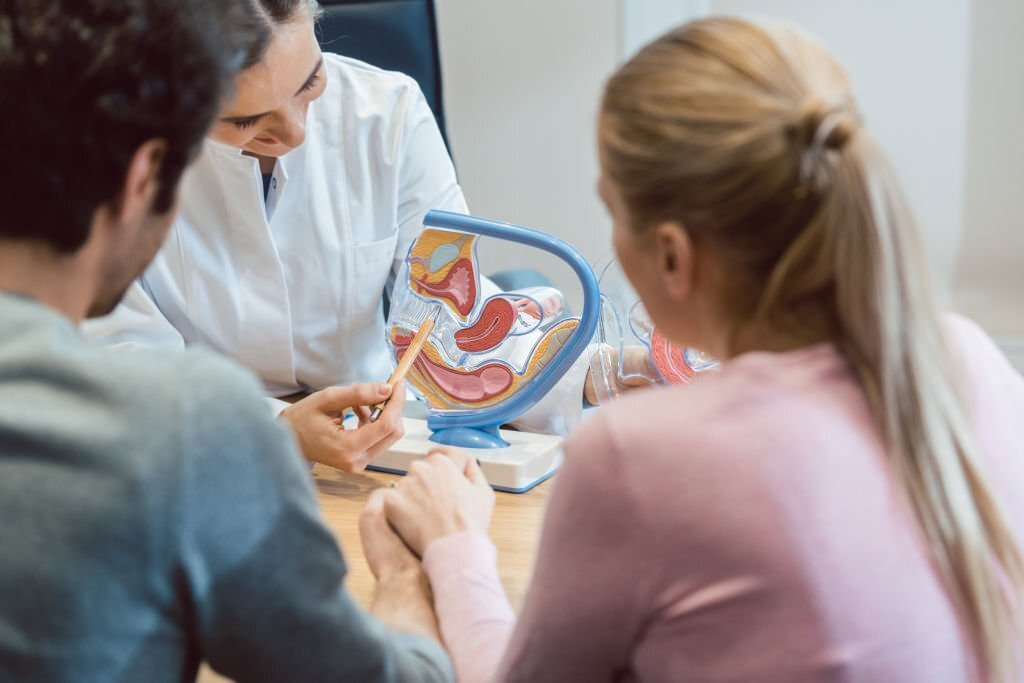
Blogs What are the common myths and misconceptions about Infertility and its treatment? Many couples struggle with infertility. One in six couples struggles to conceive. Therefore, it causes significant anxiety and maybe even humiliation when a person has trouble becoming pregnant or will diagnose with infertility. Consult our fertility specialist at Gomti Thapar Hospital, the best infertility services in Punjab, if a couple is having trouble becoming pregnant.Gomti Thapar provides the best infertility treatment in Punjab, and a caring team approach to fit your requirements if you have attempted to become pregnant without success. It will be easier to deal with the fertility issue if you can debunk a few popular myths. Myth: Age does not affect fertility. Fact: Aging causes eggs and sperm to become less viable over time. Age has an impact on everyone, even the most healthy and active people. Over time, ageing will decrease the viability of eggs or sperm. The most important factor affecting reproductive viability is age. The biological clock cannot be significantly extended by the most advanced medical technologies. Myth: You just need to relax. Fact: Infertility is a medical condition. While it is true that unwinding may aid infertility brought on by ongoing stress, infertility is not only a psychological problem. It is a medical condition to be infertile. Positive thinking, a rejuvenating trip, or a shift in perspective cannot improve your physical or reproductive health. Myth: Fertility is a woman’s problem Fact: Infertility affects men and women equally Infertility affects both men and women equally, even though pregnancy-related themes often target women. Each sex has a unique set of signs and symptoms that might point to infertility, such as testicular discomfort, or a change in menstruation flow. Myth: All infertility issues can cure with lifestyle changes. Fact: Infertility is usually caused by ovulation abnormalities Infertility can also be caused by ovulation abnormalities, blocked fallopian tubes, and genetically inherited difficulties in women, as well as faulty sperm production in males. Making a consultation with our fertility expert might assist in determining the reason for infertility and whether lifestyle modifications are required. Myth: You will never be able to have children if you are infertile. Fact: Infertility is the difficulty a couple has conceiving a child beyond six to twelve months Infertility is the difficulty a couple has conceiving a child beyond six to twelve months (depending on the woman’s age), not the fact that they will never be able to have children. Many couples can have a child—or children—by selecting the perfect therapy for them thanks to the several fertility choices available, including ovulation induction, insemination, fertility preservation, and in vitro fertilization (IVF). Myth: Stress is the main cause of infertility. Fact: Stress does not directly cause infertility. While stress can contribute to overall well-being, it is not a direct cause of infertility. Infertility is a complex issue influenced by various factors, and stress alone does not account for the majority of cases. There are many myths and misconceptions about infertility. Understanding right from wrong can be challenging. You can rely on our physicians in these circumstances to debunk any falsehoods. The best place to get clarification on your individual diagnosis, circumstance, and treatment alternatives is from our specialists at Gomti Thapar, the best IVF centre in Punjab.Consult our fertility expert for additional details on IVF fertility treatment, and what it is like to attempt to get pregnant.