
How to Handle Health Risks After a Pregnancy Loss? Managing Health Risks in Pregnancies Following a Miscarriage Experiencing a miscarriage is an emotionally challenging event for any woman, but it is important to remember that the possibility of pregnancy after miscarriage is not only real but also attainable with proper care and guidance. At Gomti Thapar Hospital, recognized as the best gynecology hospital in Punjab, our expert team of gynecologists is dedicated to supporting women through this sensitive journey, offering the care and confidence needed to embrace motherhood once again. Understanding Pregnancy After Miscarriage A miscarriage, while emotionally distressing, is not an uncommon experience. For many women, the next pregnancy after miscarriage can be a path filled with hope and new beginnings. However, understanding the risks, timing, and necessary medical care is vital to ensure a healthy pregnancy. Factors to Consider Timing: Medical experts often recommend waiting for one to three menstrual cycles before trying again, allowing the body to heal and prepare. Physical Health: Addressing any underlying conditions, such as hormonal imbalances or uterine abnormalities, is crucial. Emotional Well-being: Mental health plays a significant role in recovery and readiness for a new pregnancy. Potential Risks in Pregnancies After a Miscarriage While most women go on to have healthy pregnancies after a miscarriage, it’s important to be aware of the potential risks involved: Recurrent Miscarriages: Experiencing one miscarriage slightly increases the risk of another. Identifying underlying causes, such as genetic abnormalities or hormonal imbalances, can help mitigate this risk. Preterm Labor: Women who have had a miscarriage, particularly in the second trimester, may face an increased risk of preterm labor in subsequent pregnancies. Placental Complications: Conditions like placenta previa or placental abruption can sometimes occur in pregnancies following a miscarriage. Proper monitoring can help identify and address these issues early. Infections: Incomplete healing or residual tissue from the previous miscarriage can increase the risk of uterine infections, which may affect future pregnancies. Emotional Stress: Anxiety and fear about the possibility of another miscarriage can impact mental health, which is crucial for a healthy pregnancy. Pre-existing Medical Conditions: Conditions such as diabetes, hypertension, or thyroid disorders can pose risks for the next pregnancy if not managed properly. Managing Health Risks To minimize health risks, it is essential to adopt a proactive approach: Preconception Counseling: Consult the best gynecologist in Punjab at Gomti Thapar Hospital to assess your physical and emotional readiness. Nutritional Support: Follow a balanced diet rich in essential nutrients to prepare your body for a healthy pregnancy. Regular Check-ups: Frequent consultations with your gynecologist ensure early detection and management of any complications. Lifestyle Modifications: Avoid smoking, alcohol, and stress, which can impact the health of your next pregnancy. Why Choose Gomti Thapar Hospital? As a leading hospital for gynecology in Punjab, Gomti Thapar Hospital is equipped with latest facilities and a compassionate team dedicated to providing personalized care. From preconception counseling to postnatal support, we are with you at every step of your journey. Our Key Services Include Comprehensive fertility evaluations Advanced prenatal and postnatal care High-risk pregnancy management Emotional support and counseling The journey to motherhood after a miscarriage can be daunting, but with the right care and support, it is entirely possible to have a healthy pregnancy. At Gomti Thapar Hospital, we are committed to turning your hopes into reality. If you are planning your next pregnancy after miscarriage, let us guide you toward a safe and fulfilling experience. Contact Gomti Thapar Hospital, the trusted name in gynecology care in Punjab, and take the first step toward a brighter tomorrow.


Author: Dr. Neelu Koura
Exploring the Connection Between C-Sections and Secondary Infertility

Exploring the Connection Between C-Sections and Secondary Infertility Exploring the Connection Between C-Sections and Secondary Infertility Childbirth is one of life’s most profound experiences, but for some women, complications during or after delivery can lead to unexpected challenges in their reproductive health. A C-section delivery (caesarean section) is a common surgical procedure performed when a vaginal delivery is not possible or safe for the mother or baby. While C-sections have helped millions of women safely deliver their babies, some women face challenges in conceiving again after having a C-section. Let’s explore the connection between C-section and secondary infertility. Understanding Secondary Infertility Secondary infertility refers to the inability to conceive after already having one or more children. Unlike primary infertility, where a woman struggles to conceive for the first time, secondary infertility often occurs after a previous pregnancy. Many factors contribute to secondary infertility, and one possible cause is the side effects of C-section delivery. The Impact of C-Sections on Future Fertility While C-sections are generally safe and essential in many cases, they can carry risks and side effects that might affect a woman’s fertility later. Here are a few potential factors to consider: Scar Tissue and Adhesions: After a C-section, the body forms scar tissue at the site of the incision. This scar tissue can sometimes cause adhesions, which may bind organs together, including the ovaries or fallopian tubes. Adhesions can hinder the movement of the egg or sperm, leading to difficulty in conception. Uterine Complications: A C-section can lead to a weakened or scarred uterus, which may affect the implantation of a fertilized egg. In some cases, the uterine wall may become less receptive to embryo implantation, leading to difficulties in pregnancy. Infection or Inflammation: Although rare, infections or inflammation after a C-section can lead to complications that impact fertility. These infections can cause damage to reproductive organs or obstruct the fallopian tubes, making it harder to conceive. Delay in Pregnancy: After having a C-section, many women are advised to wait a certain period before trying for another pregnancy. This waiting period is necessary to ensure the body has fully healed from the surgery. However, for some women, this delay can be longer than anticipated, leading to concerns about secondary infertility. The Path to Conceiving Again After a C-Section For women who have had a C-section and are experiencing difficulty conceiving, there are several options available. Consulting with our expert for the best infertility treatment in Punjab can provide valuable insights into the factors affecting fertility and the best course of action. Here are some steps that may help: Medical Evaluation: A thorough medical evaluation can identify the underlying causes of infertility. Tests such as hormone level assessments, ultrasound scans, and laparoscopy can detect any issues related to scarring or adhesions from a previous C-section. Fertility Treatments: Depending on the cause of infertility, treatments such as ovulation induction, intrauterine insemination (IUI), or in vitro fertilization (IVF) may be recommended. These treatments can help overcome challenges related to scar tissue, tube blockages, or other reproductive issues. Timely Intervention: If you are experiencing delay in pregnancy after having a C-section, it is important to seek medical advice early. The sooner you address any fertility issues, the better your chances of conceiving again. Finding the Best Care for Secondary Infertility When dealing with secondary infertility, it’s crucial to seek care at the best infertility hospital in Punjab like Gomti Thapar Hospital to help couples achieve their dream of parenthood. Our team of skilled fertility specialists provides compassionate care, guiding patients through every step of their journey. While a C-section may be necessary for the health of both mother and child, it can sometimes have unintended consequences for future fertility. Women experiencing secondary infertility after a C-section should consult with a qualified fertility expert to identify the root causes and explore treatment options. At Gomti Thapar Hospital, we provide personalized care and advanced fertility treatments to help couples overcome the challenges of secondary infertility and bring their families closer to their dreams of having a child.
Infertility Challenges Among Indian Couples

Infertility Challenges Among Indian Couples Breaking the Silence: Infertility Challenges Among Indian Couples In India, the dream of parenthood is deeply cherished. However, for many couples, this journey can be fraught with challenges. Infertility, the inability to conceive after one year of regular, unprotected intercourse, affects approximately 10-15% of Indian couples. Gomti Thapar Hospital, a leading provider of infertility treatment in Punjab, recognizes the emotional and social struggles associated with infertility. We’re committed to breaking the silence and offering support to couples facing this challenge. Understanding the Reasons for Infertility Infertility can stem from various factors affecting either partner. Here’s a breakdown of some common causes: Causes of Infertility in Women: Ovulation Disorders: Irregular or absent ovulation due to hormonal imbalances, Polycystic Ovarian Syndrome (PCOS), or premature ovarian failure. Blocked Fallopian Tubes: Scarring or blockage due to pelvic inflammatory disease (PID), endometriosis, or previous surgeries. Uterine Fibroids: Non-cancerous growths in the uterus that can impede implantation. Endometriosis: Tissue similar to the uterine lining growing outside the uterus, causing inflammation and potential blockage. Reasons for Male Infertility: Low Sperm Count: Sperm count below the normal threshold (15 million per milliliter). Abnormal Sperm Morphology: Sperm with irregular shapes that hinder their ability to fertilize an egg. Poor Sperm Motility: Sperm with weak movement that struggles to reach the egg. Varicocele: Enlarged veins in the scrotum that can affect sperm quality. Breaking the Stigma: It’s Not Just a Woman’s Issue Traditionally, societal misconceptions often place the burden of infertility solely on women. However, research indicates that male factor infertility contributes to approximately 30-40% of infertility cases. At Gomti Thapar Hospital, we emphasize the importance of a comprehensive evaluation for both partners to identify the root cause of infertility. Seeking Support and Treatment Options If you’ve been struggling to conceive, it’s crucial to seek professional help. Gomti Thapar Hospital, recognized as the best hospital for infertility in Punjab, offers a range of diagnostic tests and personalized treatment plans. Here’s an overview of some options: Ovulation Induction Medications: Stimulate ovulation in women with irregular cycles. Intrauterine Insemination (IUI): Sperm washing and placement directly into the uterus to increase fertilization chances. In Vitro Fertilization (IVF): Fertilization of eggs with sperm outside the body, followed by embryo implantation in the uterus. Intracytoplasmic Sperm Injection (ICSI): A single sperm is injected directly into an egg for fertilization, used in cases of severe male factor infertility. The Path to Parenthood Starts Here At Gomti Thapar Hospital, one of the best hospitals for infertility in Punjab, we understand the emotional toll of infertility. Our team of experienced fertility specialists, nurses, and counselors provides compassionate care, guidance, and support throughout your journey. We believe in open communication and work collaboratively with you to create a personalized treatment plan designed to achieve your dream of parenthood. Don’t let the silence hold you back. Contact Gomti Thapar Hospital today and take the first step towards a brighter future. Remember, you’re not alone in this journey, and together, we can help you build the family you deserve.
What are the common myths and misconceptions about Infertility and its treatment?
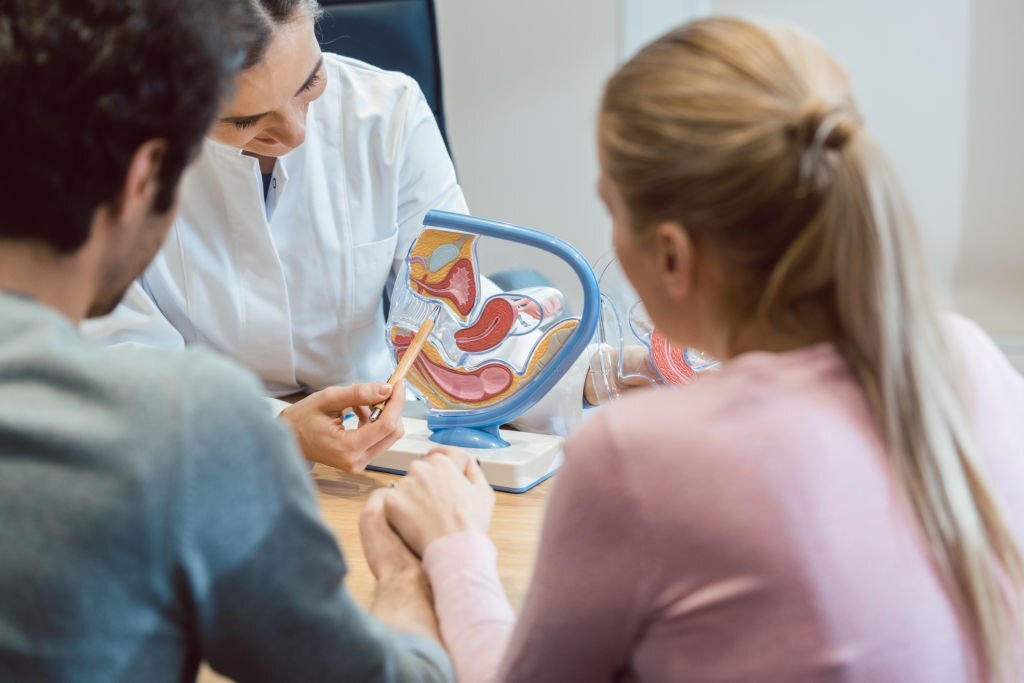
What are the common myths and misconceptions about Infertility and its treatment? What are the common myths and misconceptions about Infertility and its treatment? Many couples struggle with infertility. One in six couples struggles to conceive. Therefore, it causes significant anxiety and maybe even humiliation when a person has trouble becoming pregnant or will diagnose with infertility. Consult our fertility specialist at Gomti Thapar Hospital, the best infertility services in Punjab, if a couple is having trouble becoming pregnant.Gomti Thapar provides the best infertility treatment in Punjab, and a caring team approach to fit your requirements if you have attempted to become pregnant without success. It will be easier to deal with the fertility issue if you can debunk a few popular myths. Myth: Age does not affect fertility. Fact: Aging causes eggs and sperm to become less viable over time. Age has an impact on everyone, even the most healthy and active people. Over time, ageing will decrease the viability of eggs or sperm. The most important factor affecting reproductive viability is age. The biological clock cannot be significantly extended by the most advanced medical technologies. Myth: You just need to relax. Fact: Infertility is a medical condition. While it is true that unwinding may aid infertility brought on by ongoing stress, infertility is not only a psychological problem. It is a medical condition to be infertile. Positive thinking, a rejuvenating trip, or a shift in perspective cannot improve your physical or reproductive health. Myth: Fertility is a woman’s problem Fact: Infertility affects men and women equally Infertility affects both men and women equally, even though pregnancy-related themes often target women. Each sex has a unique set of signs and symptoms that might point to infertility, such as testicular discomfort, or a change in menstruation flow. Myth: All infertility issues can cure with lifestyle changes. Fact: Infertility is usually caused by ovulation abnormalities Infertility can also be caused by ovulation abnormalities, blocked fallopian tubes, and genetically inherited difficulties in women, as well as faulty sperm production in males. Making a consultation with our fertility expert might assist in determining the reason for infertility and whether lifestyle modifications are required. Myth: You will never be able to have children if you are infertile. Fact: Infertility is the difficulty a couple has conceiving a child beyond six to twelve months Infertility is the difficulty a couple has conceiving a child beyond six to twelve months (depending on the woman’s age), not the fact that they will never be able to have children. Many couples can have a child—or children—by selecting the perfect therapy for them thanks to the several fertility choices available, including ovulation induction, insemination, fertility preservation, and in vitro fertilization (IVF). Myth: Stress is the main cause of infertility. Fact: Stress does not directly cause infertility. While stress can contribute to overall well-being, it is not a direct cause of infertility. Infertility is a complex issue influenced by various factors, and stress alone does not account for the majority of cases. There are many myths and misconceptions about infertility. Understanding right from wrong can be challenging. You can rely on our physicians in these circumstances to debunk any falsehoods. The best place to get clarification on your individual diagnosis, circumstance, and treatment alternatives is from our specialists at Gomti Thapar, the best IVF centre in Punjab.Consult our fertility expert for additional details on IVF fertility treatment, and what it is like to attempt to get pregnant.