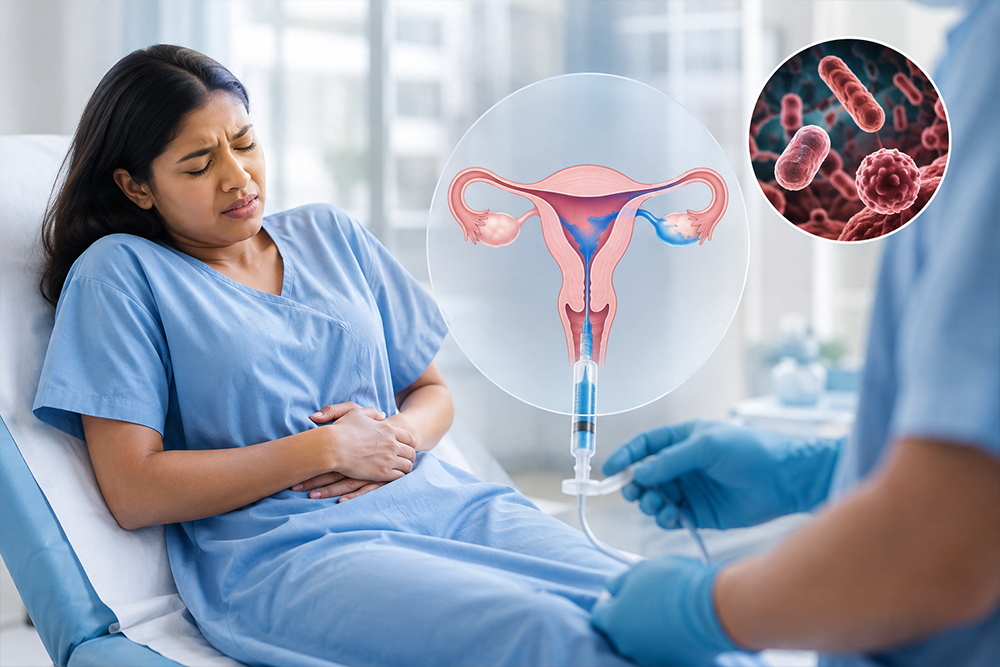
Infection After HSG: Signs, Symptoms, and When to Seek Care If you’ve recently had an HSG, chances are you’ve already Googled at least one thing afterwards.”Is cramping normal?” “How long will the spotting last?” “Should I be worried if I’m still uncomfortable tomorrow?”The truth is, most women recover without any problems. Mild cramps and light spotting are fairly common after the procedure. But if the pain starts getting worse instead of better, or you suddenly develop a fever, your body could be telling you something different.Although uncommon, an infection after hysterosalpingography is a recognised complication. Knowing the warning signs can help you seek treatment early and avoid unnecessary complications. Understanding an HSG When couples are trying to conceive, one of the first questions doctors ask is whether the fallopian tubes are open. That’s where an HSG comes in.An HSG, or hysterosalpingography, is a fertility test for women that helps doctors look at the uterus and fallopian tubes using a special dye and X-ray images. If the dye flows freely, it’s usually a sign that the tubes are open. If it doesn’t, it may point towards a blockage or another condition that needs further evaluation.The procedure itself is usually completed within 15 to 30 minutes, and most women return home shortly afterwards. So, What’s Considered Normal Afterwards? This is probably the question every woman asks before leaving the hospital. A little cramping? That’s expected. Light spotting for a day or two? Also normal. Some women even feel slightly tired after the procedure, especially if they were anxious beforehand. These symptoms usually settle on their own. In fact, many women don’t need anything more than a little rest and the medicines recommended by their doctor. When Should You Start Paying Attention? Recovery should gradually get better, not worse. If you notice the pain becoming more intense after the first day, develop a fever, or notice a foul smelling discharge, don’t assume it’s just part of healing. Those changes deserve medical attention because they could suggest an infection after hysterosalpingography. Other warning signs include: Fever or chills Increasing pelvic pain Heavy vaginal bleeding Foul smelling vaginal discharge Persistent nausea or vomiting Feeling unusually weak or dizzy Most women never experience these symptoms. But if you do, it’s always safer to contact your doctor rather than wait for them to settle on their own. Why Does an Infection Happen After an HSG? This is something many women ask, and it’s a fair question. The HSG itself doesn’t “cause” an infection. What can happen, in rare cases, is that bacteria already present in the vagina or cervix may travel into the uterus during the procedure. If there’s an existing but undetected pelvic infection, the chances may be slightly higher. The reassuring part is that this complication is uncommon. When an HSG is performed under sterile conditions and the right precautions are taken, most women recover without any infection at all. How Do Doctors Know if It’s an Infection? Not every cramp after an HSG needs another hospital visit. But if your symptoms are getting worse instead of better, your doctor may want to rule out an infection and protect your women’s reproductive health.The first step is usually a conversation. Your doctor will ask when the symptoms started, whether you have a fever, how severe the pain is and whether the vaginal discharge has changed.Depending on what they find, they may recommend: A pelvic examination Blood tests to look for signs of infection Vaginal or cervical swabs, if required An ultrasound to rule out other pelvic conditions Most women don’t need every test. The evaluation depends on your symptoms and clinical findings. What Happens if an Infection is Confirmed? The good news is that most infections can be treated successfully when they’re identified early.The treatment usually involves antibiotics, and your doctor may also recommend pain relief medicines, rest and plenty of fluids. If the infection is more severe or doesn’t improve with oral medicines, hospital admission and intravenous antibiotics may be necessary. Fortunately, this is uncommon. The important thing is not to delay seeking medical care. Waiting for symptoms to “settle on their own” can sometimes allow the infection to worsen. Can an Infection Be Prevented? No medical procedure is completely risk free, but there are steps that help reduce the chances of developing an infection after hysterosalpingography.These include: Scheduling the HSG at the right time in your menstrual cycle Informing your doctor about any previous pelvic infections Following all instructions before and after the procedure Reporting unusual symptoms as soon as they appear Taking prescribed medicines exactly as advised Most importantly, choose a hospital where fertility procedures are performed under strict safety and infection control protocols. When Should You Call Your Doctor Immediately? Some symptoms shouldn’t be watched at home. Contact your doctor without delay if you develop: Fever above 38°C Severe pelvic pain that keeps increasing Heavy vaginal bleeding Foul smelling discharge Persistent vomiting Dizziness or fainting Symptoms that continue to worsen after the first day It’s always better to make one unnecessary phone call than ignore a symptom that needs treatment.An HSG is an important investigation that has helped many couples understand the reason behind infertility. While an infection afterwards is uncommon, knowing what’s normal and what isn’t can make recovery much less stressful. Mild cramps and light spotting are usually expected. But if your symptoms become worse instead of better, don’t wait or second guess yourself. A timely medical review can prevent complications and help you recover safely. At Gomti Thapar Hospital, female infertility treatment in Moga begins with careful evaluation, compassionate care and evidence based treatment. If you have concerns after an HSG or are planning a fertility test, consult our experienced fertility specialist for personalised guidance Frequently Asked Questions 1. How common is an infection after an HSG? An infection after hysterosalpingography is uncommon. Most women recover with only mild cramping or spotting that settles within a day or two. 2. How long do HSG side effects usually last?… Continue reading Infection After HSG: Signs, Symptoms, and When to Seek Care


Author: Dr. Neelu Koura
The Impact of Environmental Pollutants on Male Sperm Quality and Fertility

The Impact of Environmental Pollutants on Male Sperm Quality and Fertility The environment around us may be influencing fertility in ways many people never consider When people talk about fertility, the conversation usually revolves around age, lifestyle, diet, stress, or underlying medical conditions. What often gets left out is the environment we live in every day. The air we breathe, the chemicals we come into contact with, and even some products we use regularly can have an effect on male reproductive health.For years, fertility specialists focused mainly on biological and lifestyle causes of infertility. While those factors remain important, growing research suggests that environmental exposure may also contribute to reproductive challenges in some men. This does not mean pollution is the sole reason for infertility, but it is becoming a factor that cannot be ignored. The Modern World Comes with New Risks Think about how different life is today compared to a few decades ago. More vehicles on the roads, more industrial activity, more processed products, and greater exposure to chemicals in daily life. Many of these changes have improved convenience, but they have also increased our contact with substances that may affect the body over time.Researchers studying environmental toxins and sperm health have examined pollutants such as pesticides, heavy metals, industrial chemicals, vehicle emissions, and certain compounds found in plastics. While the level of risk varies from person to person, long term exposure has raised concerns among fertility experts. How Pollutants May Affect Sperm Sperm production is a continuous process. Healthy sperm development depends on hormones, good blood supply, proper testicular function, and overall health. When harmful substances enter the body repeatedly over long periods, they may interfere with some of these processes.In certain cases, specialists investigating fertility problems in men find that occupational exposure or environmental factors are worth considering alongside medical history and lifestyle habits. This is particularly relevant for individuals who work in agriculture, manufacturing, chemical industries, painting, welding, or other professions involving regular chemical exposure.Scientists have also explored how some pollutants increase oxidative stress in the body. Oxidative stress occurs when harmful molecules outnumber the body’s natural defenses. Over time, this may affect sperm count, movement, shape, and even genetic quality. Who Might Be at Greater Risk? Not everyone exposed to pollution develops fertility issues. However, certain groups may face higher levels of exposure than others.These may include: Agricultural workers handling pesticides Factory and industrial workers Men exposed to heavy metals at work Individuals living near highly polluted environments Workers frequently exposed to solvents and chemicals Small Everyday Habits Matter Too Environmental exposure is not limited to workplaces. Everyday choices can also contribute to overall chemical exposure levels.For example, frequent smoking, excessive alcohol consumption, poor dietary habits, and prolonged exposure to certain chemicals can place additional stress on the body’s reproductive system. While no single habit is usually responsible for infertility, multiple factors acting together may affect reproductive health over time. This is why fertility evaluations often look beyond laboratory reports and explore a person’s overall lifestyle and environment. When Should a Man Consider Fertility Evaluation? Many men assume fertility testing is only necessary after years of trying to conceive. In reality, earlier evaluation can sometimes identify concerns before they become larger problems.At Gomti Thapar Hospital, male fertility treatment in Moga often begins with a detailed understanding of the individual’s medical history, lifestyle, occupation, and reproductive goals. These discussions can sometimes reveal factors that may otherwise be overlooked.If a couple has been trying to conceive without success, or if previous test reports have shown abnormalities, seeking professional guidance may help clarify the situation. Looking Beyond the Test Report A semen analysis provides valuable information, but it is only one piece of the puzzle. Hormonal balance, medical conditions, lifestyle habits, environmental exposure, and overall health can all influence fertility outcomes.At Gomti Thapar Hospital, male sperm treatment in Moga is tailored to the underlying cause rather than relying on a one size fits all approach. Specialists assess multiple factors before recommending treatment options that are appropriate for the individual.In many situations, addressing lifestyle factors and reducing unnecessary exposure to harmful substances may form an important part of the overall treatment plan. Awareness Is the First Step Environmental pollutants are not always visible, and their effects are not always immediate. That is what makes them difficult to recognize. While it is impossible to eliminate every exposure, being aware of potential risks can help people make informed choices.Simple steps such as using protective equipment at work, avoiding unnecessary chemical exposure, maintaining a healthy lifestyle, and seeking medical advice when needed can contribute positively to fertility and overall well-being. Frequently Asked Questions 1.Can pollution really affect sperm quality? Research suggests that long term exposure to certain pollutants may affect sperm count, movement, and overall quality. The extent of the impact varies between individuals 2. Which environmental pollutants are most commonly linked to fertility issues? Pesticides, heavy metals, industrial chemicals, air pollution, and certain plastic related compounds are among the substances most frequently studied. 3. Can sperm quality improve if exposure is reduced? In some cases, improvements may occur after reducing exposure to harmful substances and adopting healthier lifestyle habits. The outcome depends on the underlying cause and individual health factors. 4. Should I be concerned if I work around chemicals? Not necessarily, but men with regular occupational exposure may benefit from discussing their work environment with a fertility specialist, particularly if conception has been difficult. 5. How do doctors evaluate male fertility? Evaluation typically includes a detailed medical history, physical examination, hormonal assessment, and semen analysis. At Gomti Thapar Hospital, male fertility treatment in Moga begins with understanding the complete picture, including lifestyle factors, medical conditions, and reproductive history. Depending on the findings, additional investigations may be recommended to identify the underlying cause and guide appropriate treatment. 6. When should I seek medical advice for fertility concerns? If pregnancy has not occurred after a reasonable period of trying, or if there are known risk factors affecting fertility, a professional… Continue reading The Impact of Environmental Pollutants on Male Sperm Quality and Fertility
Which Supplements Help Improve Egg Quality

Which Supplements Help Improve Egg Quality When Fertility Planning Starts Before Pregnancy Most women think fertility planning starts only after trying to conceive. Usually, it starts much earlier. Egg quality plays a big role in natural pregnancy as well as IVF treatment, and it is not only about age. Sleep, stress, hormones, food habits, and overall health quietly affect fertility over time. At Gomti Thapar Hospital, many women come in thinking the issue is only timing, but often the conversation starts much earlier than that. Why Egg Quality Matters More Than People Think Healthy eggs improve the chances of fertilization, embryo development, and a healthy pregnancy. Poor egg quality does not always show obvious symptoms, which is why many women find out only during fertility evaluation. Doctors usually check things like: • Age and ovarian reserve• Hormonal balance• Menstrual cycle regularity• Lifestyle habits• Stress levels• Existing health conditions This is where the right fertility supplements for women can help support the body alongside medical guidance. Common Supplements Doctors Usually Suggest There is no one miracle tablet for fertility. Most treatment plans focus on supporting hormone health, reducing oxidative stress, and helping the body create better conditions for conception.Some commonly suggested supplements include: • Folic Acid• CoQ10• Vitamin D• Omega 3• Iron if needed• Vitamin E• Myo Inositol• Antioxidants based on individual needs These are often considered the best supplements to improve egg quality, but what works for one person may not be right for another. Folic Acid Should Start Earlier Than Most People Think Many women start folic acid only after pregnancy happens. In reality, doctors often advise starting much earlier.It helps with healthy cell growth and prepares the body before conception begins. This is why prenatal supplements for fertility are often started during the planning stage itself, not after a pregnancy test turns positive. IVF Patients Usually Need More Personalized Support For women planning IVF, supplements are usually not generic. Age, ovarian response, AMH levels, and previous treatment history all matter. At Gomti Thapar Hospital, doctors usually explain this clearly because supplement advice for IVF should match the actual condition, not social media suggestions. This is where the right supplements for IVF success become part of a proper fertility plan. Vitamins Before Pregnancy Are Not Just a Trend Trying to conceive is not only about ovulation dates and cycle tracking. The body also needs preparation.Doctors often suggest starting support at least a few months earlier because the best vitamins before pregnancy work better when the body gets time to respond naturally instead of being rushed. Tablets Alone Are Not the Full Answer Many people focus only on supplements and forget the basics. Doctors still strongly advise: • Better sleep• Less stress• Balanced food• Hydration• Weight management• Regular cycle tracking At Gomti Thapar Hospital, fertility care usually starts with understanding the full picture first, not simply handing over a supplement list and sending the patient home.Improving egg quality is rarely about one medicine or one quick fix. It usually takes time, consistency, and honest medical guidance. Supplements can help, but they work best when they are part of a bigger plan. Good diagnosis, realistic expectations, and the right support matter much more than chasing random internet advice. That is why many women prefer proper fertility evaluation first, instead of trying ten different tablets without knowing what the body actually needs. Frequently Asked Questions 1.Can supplements really improve egg quality? Yes, certain supplements can support egg health, especially when combined with proper medical advice and lifestyle changes. 2. How long should I take fertility supplements? Doctors usually suggest starting at least 2 to 3 months before trying to conceive or beginning fertility treatment. 3. Is folic acid enough for fertility preparation? Not always. Some women may need additional support depending on age, hormones, and fertility history. 4. Are IVF supplements different from regular prenatal vitamins? Yes, IVF patients may need more specific support depending on treatment planning and ovarian health. 5. Should I take supplements without fertility testing? It is always better to consult a doctor first because fertility needs are different for every woman. 6. Where should I go for fertility guidance in Moga? Choosing the right fertility center matters. At Gomti Thapar Hospital, patients receive practical guidance and treatment plans based on their actual condition, not guesswork. 7. Do age and lifestyle affect egg quality? Yes, age, stress, sleep, diet, and overall health can strongly affect egg quality and fertility outcomes. 8. Can supplements guarantee pregnancy? No, supplements support fertility, but pregnancy depends on many factors including diagnosis, timing, and treatment.
Why is Infertility Rising in Punjab

Why is Infertility Rising in Punjab What Every Couple Needs to Know This Infertility Awareness Week Over the last few years, something has been changing quietly across Punjab. More couples are finding it harder to conceive. Not something that gets spoken about openly. But it keeps coming up more often than before. For some, it is a delayed timeline. For others, repeated attempts that do not work. And by the time they start looking for an infertility specialist in Punjab, it has usually been a long wait already. There is not one clear reason. It is a mix of lifestyle, health patterns, and things that have slowly shifted over time. Is infertility really increasing It may not feel obvious at first, but there is a pattern building. Across Punjab, more couples are facing infertility related concerns than before. Late marriages, stress, irregular routines, and underlying health issues are all adding up. It is not sudden. It has been happening gradually. Just not discussed enough. What infertility actually means Most people think infertility means something permanent. It does not always mean that. Medically, it usually means not being able to conceive after trying for a year. Sometimes earlier, depending on age. Doctors usually look at both partners, not just one. Because most of the time, it is not a one sided issue Common causes couples don’t realise The reasons are often not obvious in the beginning. When couples come to Gomti Thapar Hospital for infertility treatment in Moga, these are some of the patterns that usually show up: • Ovulation related issues• Sperm health concerns• Hormonal imbalance• Lifestyle factors like sleep, stress, weight It is usually a combination. Not just one cause. Why many couples delay help This is where time gets lost. There is hesitation. Sometimes it is social. Sometimes it is just hope that things will work naturally. By the time couples reach Gomti Thapar Hospital to consult a best infertility specialist in Punjab, they have already spent a lot of time trying on their own without clarity. When should you actually consult This part is often misunderstood. • If you have been trying for a year without results, it is time to consult• If age is above 35, even six months is enough• If cycles are irregular or symptoms are noticeable, earlier evaluation helps It does not mean something is wrong. It just means it is better to check early. What happens during infertility evaluation Most people expect it to be complicated. It usually is not. At Gomti Thapar Hospital, the process of infertility treatment in Moga starts with basic evaluation: • Hormone tests• Ultrasound scans• Ovulation tracking• Semen analysis It is more about understanding than rushing into treatment. Is IVF the only option A lot of people assume IVF is the only path. It is not. Even at an IVF Hospital in Punjab, many couples are treated with simpler methods first. IVF is considered when other options are not enough or when time becomes a factor. So it is not the starting point for everyone. Why the right hospital matters Infertility is not just about treatment. It is about understanding what needs to be done and when. At Gomti Thapar Hospital, couples looking for an IVF Hospital in Punjab are usually trying to find clarity more than anything else. A clear direction often reduces confusion and unnecessary delays. Infertility is becoming more common, but it is still something many couples deal with quietly. This Infertility Awareness Week, the focus is not just on treatment. It is on understanding, timing, and knowing when to take the next step. You do not have to figure everything out at once. But starting somewhere helps. Frequently Asked Questions 1. Is infertility really increasing in Punjab There is no single number for everyone, but more couples are seeking help for infertility than before, which suggests a growing concern. 2. When should we consult a doctor for infertility If you have been trying for a year without success, or six months if age is above 35, it is better to consult early. 3. Do both partners need to get tested Yes. Infertility is not limited to one person. Both partners are evaluated to understand the full picture. 4. What tests are usually done first Basic evaluation includes hormone tests, scans, ovulation tracking, and semen analysis. These help understand the cause before treatment. 5. Is IVF always required No. At an IVF Hospital in Punjab, IVF is usually suggested only when simpler options are not effective or suitable 6. Can lifestyle affect fertility Yes. Factors like sleep, stress, weight, and diet can influence infertility over time. 7. Where can I get infertility treatment in Moga You can visit Gomti Thapar Hospital for structured infertility treatment in Moga with step by step evaluation and guidance.
Causes of Female Infertility

The 4 Causes of Female Infertility You Need to Know About The 4 Causes of Female Infertility You Need to Know About Struggling to conceive can feel frustrating and confusing. Many women silently wonder if something is wrong but hesitate to ask. The truth is, female infertility is not rare, and most causes are medical and diagnosable. The important thing is identifying the reason early instead of waiting for years. 1. Ovulation Problems Ovulation issues are one of the most common causes. If the ovary does not release an egg regularly, pregnancy becomes difficult. Common signs include: Irregular periods Very long gaps between cycles Extremely heavy or very light bleeding Sudden weight gain or acne in some women If cycles are unpredictable for months, it is better to consult a specialist. Our gynaecologist in Moga at Gomti Thapar Hospital may suggest hormone tests and essential scans to understand what is actually happening. 2. Blocked Fallopian Tubes The fallopian tubes carry the egg from the ovary to the uterus. If they are blocked, fertilisation usually cannot happen in a natural way. The difficult part is that many women do not feel anything unusual, so the problem stays unnoticed for a long time. Causes may include: Past pelvic infections Tuberculosis Previous abdominal surgeries Untreated pelvic inflammation With proper evaluation and advanced diagnostic tools and treatment, these hidden tubal problems can be identified and addressed before they lead to years of unnecessary delay. 3. Uterine Problems Sometimes the problem is not ovulation or the tubes, but the uterus itself. Things like fibroids, polyps, or internal scarring can quietly affect implantation without very obvious symptoms in the beginning. Possible warning signs: Painful periods Heavy bleeding Repeated early pregnancy losses Early screening for female infertility can help pick up these structural issues before they slowly become more complicated. 4. Age Related Factors Age plays a bigger role than many couples realise. Egg quality and number naturally decline over time, especially after 35. This does not mean pregnancy is impossible, but waiting without evaluation reduces chances. Renowned as the best gynecology hospital in Moga, we at Gomti Thapar Hospital in Moga help couples understand their options clearly instead of simply guessing or waiting without direction. When Should You See a Doctor You should consider consultation if: You are under 35 and trying for one year without success You are above 35 and trying for six months Your periods are very irregular You have severe pelvic pain Infertility is not something to feel ashamed about. It is a medical condition with causes that can usually be identified. With timely consultation and the right advanced diagnostic tools and treatment, most couples get answers, and many go on to conceive successfully.
When to See a Gynecologist After a Positive Pregnancy Test

When to See a Gynecologist After a Positive Pregnancy Test You saw two lines. Take a breath first Prostate-related health problems are common in men above the age of 50 and should never be ignored. From benign prostate enlargement to serious conditions like prostate cancer, early diagnosis and expert care are essential. If you are looking for reliable urology hospitals in Moga, Punjab, Gomti Thapar Hospital offers comprehensive prostate care with experienced specialists and advanced facilities. Do you need to visit the hospital immediately In most normal situations, you can wait a few days and book a proper appointment. The ideal time to see a gynaecologist is usually around 6 to 8 weeks from your last menstrual period. Going too early may not show much on scan and can create unnecessary anxiety. Or you can visit our gynaecologist in Moga at Gomti Thapar Hospital. Here, we will guide you with compassion and dignity. Situations where you should not wait There are some warning signs that should never be ignored. Even early pregnancy needs medical attention if symptoms are unusual. Severe lower abdominal pain Heavy bleeding Dizziness or fainting Shoulder pain High fever Known as the best gynecology hospital in Moga, we understand that early pregnancy can sometimes turn serious without much warning. That is why we encourage women not to ignore these symptoms. Quick evaluation, timely scans, and immediate medical support can prevent complications and protect both mother and baby. What happens in the first visit The first appointment is usually simple and more discussion based. Your doctor will ask about your last period, previous medical history, and any medicines you are taking. Basic blood tests may be advised. An early scan might be done depending on how many weeks it has been since your Positive Pregnancy Test. Why early care still matters Even if you feel completely fine, registering your pregnancy early helps track important health markers. A qualified gynaecologist will check things like thyroid levels, blood group, and sugar levels, which can quietly affect pregnancy if unnoticed. Do not rely only on internet advice After confirming pregnancy, it is very common to start searching everything online. One article says something is normal. Another says it is dangerous. Forums are full of different experiences and opinions. The problem is, those experiences belong to someone else’s body, not yours. The internet cannot see your reports. It does not know your medical history. It does not know if you have thyroid issues, irregular cycles, previous miscarriages, or other health conditions. That is why depending only on online information often increases stress instead of reducing it. Getting proper medical advice gives clarity. A doctor examines you, looks at your reports, understands your background, and then guides you accordingly. That kind of personalised care cannot be replaced by articles or discussion forums. A Positive Pregnancy Test is just the beginning. There is no need to panic and run immediately, but do not keep postponing the visit either. Seeing a doctor at the right time and staying regular with check-ups simply makes things clearer and safer as the months go by.
What You Eat Shapes Your Baby’s Future

Pregnancy Nutrition in Pregnancy What You Eat Shapes Your Baby’s Future People often say, “You’re eating for two,” but it’s more than just a saying. Every bite you take during pregnancy helps your baby grow, form, and prepare for the world. What’s on your plate today can shape your child’s health for years ahead. So, when it comes to pregnancy nutrition for healthy baby, even small daily choices matter more than you think. The connection between food and your baby’s growth Your baby doesn’t just get nutrients from you, your baby learns from you too. The flavours, the nutrients, the variety in your food all create the foundation of their development inside the womb. It’s like setting up a home before the baby arrives, only this one’s inside you. That’s why focusing on the right foods to eat during pregnancy makes a real difference to growth, immunity, and even taste preferences later in life. Why your diet matters beyond just calories When you’re expecting, your body works overtime. It’s not only feeding you — it’s building organs, bones, and brain cells for your little one. A balanced maternal diet and baby development go hand in hand.Here’s what the right kind of food does: Builds a stronger heart, brain, and nervous system for the baby. Keeps your blood sugar and energy steady throughout the day. Helps reduce risks of premature birth and low birth weight. Improves recovery and milk production after delivery. It’s not about eating more, it’s about eating better. What to include on your plate Think colourful. The more colour you have on your plate, the wider range of nutrients your baby gets. Try to fill your meals with: Fresh fruits and vegetables Whole grains like oats and brown rice Lean proteins like eggs, lentils, and fish (if your doctor allows) Healthy fats from nuts, seeds, and avocados Iron and folate-rich foods like spinach and beans Following these simple healthy eating tips for pregnant women keeps your body strong and your baby’s development on track. And don’t forget, water counts too! Staying hydrated helps everything function smoothly. Food for your baby’s brain One of the most exciting things happening during pregnancy is your baby’s brain forming. From week to week, it’s growing at lightning speed. The nutrients you eat now have a direct impact on memory, focus, and learning abilities later in life. Here are a few nutrients important for baby’s brain development: Omega-3 fatty acids (found in fish, walnuts, and flaxseeds) Choline (found in eggs) Iron (from leafy greens and lentils) Vitamin D and B12 (from fortified foods or supplements) A mix of these nutrients builds strong neural connections, it’s like giving your baby a head start before they even open their eyes. Small steps, lasting impact You don’t need a fancy diet plan. Just being mindful is enough. Listen to your body, eat when you’re hungry, and choose whole, home-cooked food most of the time. Stay away from too much caffeine, packaged snacks, and processed sugars. They might give quick energy but add little value to your baby’s growth. Remember, pregnancy is not about being perfect, it’s about being consistent. Every healthy meal adds up. At Gomti Thapar Hospital, we believe that good health starts even before birth. Our experts guide expecting mothers through simple, practical meal plans and regular checkups to ensure both mother and baby thrive. Because when you nourish yourself with care, you’re already giving your baby the best gift, a healthy start to life.
Human Metapneumovirus and Other Respiratory Viral Infections During Pregnancy and Birth
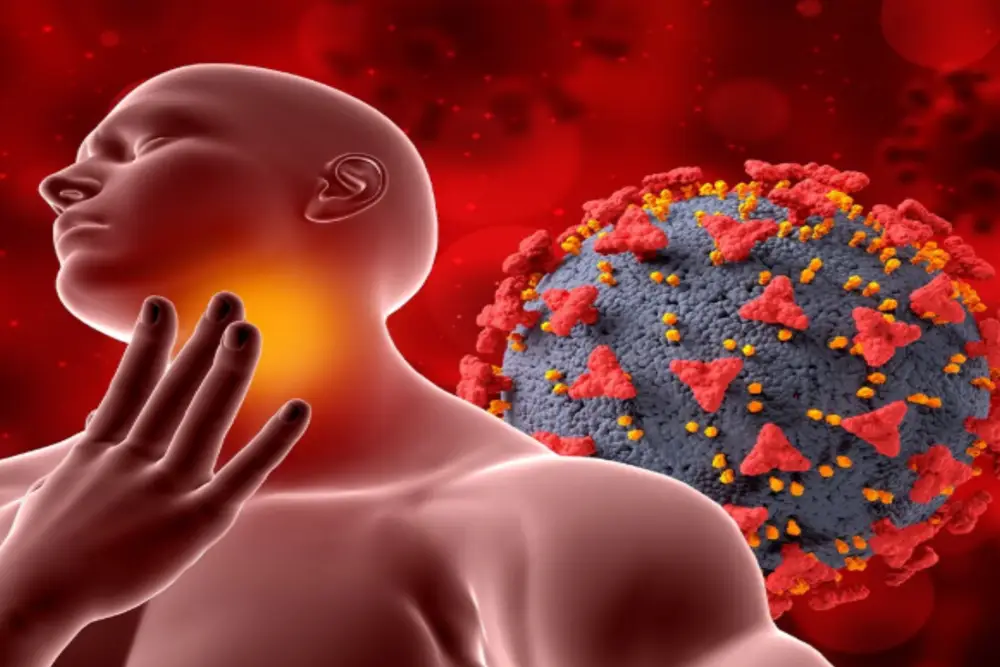
Human Metapneumovirus and Other Respiratory Viral Infections During Pregnancy and Birth Pregnancy is a life-changing journey, physically, emotionally, and biologically. As a woman nurtures new life within her, her body goes through powerful transformations. But these changes also bring increased vulnerability to certain infections, particularly viral illnesses that affect the lungs. Among them, Human Metapneumovirus (HMPV) is now emerging as a concern, especially when paired with seasonal outbreaks of flu or RSV. Understanding the risks of respiratory infections during this critical time isn’t about fear, it’s about being prepared. Why Respiratory Health Matters More During Pregnancy Pregnancy alters the body’s immunity, making it more prone to infections that may have been minor pre-pregnancy. Add to that changes in lung capacity and cardiovascular function, and even a common cold can feel ten times heavier. Respiratory infections during pregnancy can trigger a cascade of complications, from fever and fatigue to breathlessness and, in more serious cases, hospitalization. The goal isn’t to panic but to monitor symptoms early, especially during flu season or after exposure in crowded places. The Hidden Danger of Late-Stage Infections While any illness during pregnancy deserves attention, catching a respiratory infection close to your due date raises additional concerns. Labor demands physical strength and stable oxygen levels. But with congestion, inflammation, or fever, both mother and baby may struggle during delivery. A respiratory infection during birth can lead to breathing difficulty, reduced fetal oxygenation, or even complications in the newborn. Most cases are manageable with medical support, but only if the issue is flagged early. What is Human Metapneumovirus (HMPV)? HMPV virus in pregnancy might sound unfamiliar, but it’s part of a growing list of respiratory infections that have been under the medical radar for years. A cousin of RSV (Respiratory Syncytial Virus), HMPV is highly contagious, spreads through droplets, and is known to cause wheezing, bronchiolitis, or pneumonia, especially in young children and immunocompromised individuals. Pregnant women, particularly those in their third trimester, must take caution as the immune system is less aggressive, making it harder to fight off viral invaders like HMPV. Symptoms You Shouldn’t Ignore Pregnant women may brush off minor symptoms as ‘part of pregnancy’, fatigue, body aches, breathlessness. But certain red flags deserve immediate attention: Persistent cough Shortness of breath High-grade fever Chest tightness Loss of appetite or extreme fatigue Even in the absence of high fever, infections like HMPV can progress rapidly. A quick evaluation, pulse oximetry, and basic tests can help rule out anything serious. When to See a Doctor Immediately Here’s when you should skip the home remedies and seek medical attention: If you have a fever that lasts more than 24 hours If your breathing becomes laboured, especially at night If fetal movement decreases If you have an underlying health condition like asthma or diabetes These signs could indicate that your body is struggling to cope and timely intervention can make all the difference. Pregnancy and Precautions in a Post-COVID Era While COVID-19 heightened public awareness about respiratory viruses, many still underestimate how easily they can contract other infections in daily life. Whether it’s through siblings who go to school, a crowded OPD, or even a routine ultrasound visit, risks are everywhere. The good news? Most precautions to be taken are simple and effective. Wash your hands frequently, especially after stepping outside Avoid touching your face unnecessarily Wear a mask in clinics, hospitals, and during travel Maintain distance from people with flu-like symptoms Stay updated on your flu and COVID booster shots Keep your surroundings well-ventilated and sanitized Eat a balanced, immune-supportive diet At Gomti Thapar, we don’t treat pregnancy like a checklist, we treat it like the life-defining journey that it is. Our obstetricians work closely with internal medicine and pulmonology teams to monitor any signs of respiratory distress. We’re equipped with diagnostic tools, rapid testing, and a 24/7 emergency team, all designed to support mothers in their most vulnerable moments. Our approach is simple: proactive, protective, and deeply personalized. Motherhood begins long before the baby arrives. It begins with choices, smart, informed, and protective. Understanding respiratory infections during pregnancy and new risks like HMPV virus in pregnancy allows women to be confident and cautious, not fearful. With the right care, clear communication, and timely diagnosis, even high-risk pregnancies can have healthy, happy outcomes. If you or a loved one is pregnant and showing flu-like symptoms, don’t wait. Let your care team know. Let’s keep both heartbeats safe.
How to Handle Health Risks After a Pregnancy Loss?
How to Handle Health Risks After a Pregnancy Loss? Managing Health Risks in Pregnancies Following a Miscarriage Experiencing a miscarriage is an emotionally challenging event for any woman, but it is important to remember that the possibility of pregnancy after miscarriage is not only real but also attainable with proper care and guidance. At Gomti Thapar Hospital, recognized as the best gynecology hospital in Punjab, our expert team of gynecologists is dedicated to supporting women through this sensitive journey, offering the care and confidence needed to embrace motherhood once again. Understanding Pregnancy After Miscarriage A miscarriage, while emotionally distressing, is not an uncommon experience. For many women, the next pregnancy after miscarriage can be a path filled with hope and new beginnings. However, understanding the risks, timing, and necessary medical care is vital to ensure a healthy pregnancy. Factors to Consider Timing: Medical experts often recommend waiting for one to three menstrual cycles before trying again, allowing the body to heal and prepare. Physical Health: Addressing any underlying conditions, such as hormonal imbalances or uterine abnormalities, is crucial. Emotional Well-being: Mental health plays a significant role in recovery and readiness for a new pregnancy. Potential Risks in Pregnancies After a Miscarriage While most women go on to have healthy pregnancies after a miscarriage, it’s important to be aware of the potential risks involved: Recurrent Miscarriages: Experiencing one miscarriage slightly increases the risk of another. Identifying underlying causes, such as genetic abnormalities or hormonal imbalances, can help mitigate this risk. Preterm Labor: Women who have had a miscarriage, particularly in the second trimester, may face an increased risk of preterm labor in subsequent pregnancies. Placental Complications: Conditions like placenta previa or placental abruption can sometimes occur in pregnancies following a miscarriage. Proper monitoring can help identify and address these issues early. Infections: Incomplete healing or residual tissue from the previous miscarriage can increase the risk of uterine infections, which may affect future pregnancies. Emotional Stress: Anxiety and fear about the possibility of another miscarriage can impact mental health, which is crucial for a healthy pregnancy. Pre-existing Medical Conditions: Conditions such as diabetes, hypertension, or thyroid disorders can pose risks for the next pregnancy if not managed properly. Managing Health Risks To minimize health risks, it is essential to adopt a proactive approach: Preconception Counseling: Consult the best gynecologist in Punjab at Gomti Thapar Hospital to assess your physical and emotional readiness. Nutritional Support: Follow a balanced diet rich in essential nutrients to prepare your body for a healthy pregnancy. Regular Check-ups: Frequent consultations with your gynecologist ensure early detection and management of any complications. Lifestyle Modifications: Avoid smoking, alcohol, and stress, which can impact the health of your next pregnancy. Why Choose Gomti Thapar Hospital? As a leading hospital for gynecology in Punjab, Gomti Thapar Hospital is equipped with latest facilities and a compassionate team dedicated to providing personalized care. From preconception counseling to postnatal support, we are with you at every step of your journey. Our Key Services Include Comprehensive fertility evaluations Advanced prenatal and postnatal care High-risk pregnancy management Emotional support and counseling The journey to motherhood after a miscarriage can be daunting, but with the right care and support, it is entirely possible to have a healthy pregnancy. At Gomti Thapar Hospital, we are committed to turning your hopes into reality. If you are planning your next pregnancy after miscarriage, let us guide you toward a safe and fulfilling experience. Contact Gomti Thapar Hospital, the trusted name in gynecology care in Punjab, and take the first step toward a brighter tomorrow.
Exploring the Connection Between C-Sections and Secondary Infertility

Exploring the Connection Between C-Sections and Secondary Infertility Exploring the Connection Between C-Sections and Secondary Infertility Childbirth is one of life’s most profound experiences, but for some women, complications during or after delivery can lead to unexpected challenges in their reproductive health. A C-section delivery (caesarean section) is a common surgical procedure performed when a vaginal delivery is not possible or safe for the mother or baby. While C-sections have helped millions of women safely deliver their babies, some women face challenges in conceiving again after having a C-section. Let’s explore the connection between C-section and secondary infertility. Understanding Secondary Infertility Secondary infertility refers to the inability to conceive after already having one or more children. Unlike primary infertility, where a woman struggles to conceive for the first time, secondary infertility often occurs after a previous pregnancy. Many factors contribute to secondary infertility, and one possible cause is the side effects of C-section delivery. The Impact of C-Sections on Future Fertility While C-sections are generally safe and essential in many cases, they can carry risks and side effects that might affect a woman’s fertility later. Here are a few potential factors to consider: Scar Tissue and Adhesions: After a C-section, the body forms scar tissue at the site of the incision. This scar tissue can sometimes cause adhesions, which may bind organs together, including the ovaries or fallopian tubes. Adhesions can hinder the movement of the egg or sperm, leading to difficulty in conception. Uterine Complications: A C-section can lead to a weakened or scarred uterus, which may affect the implantation of a fertilized egg. In some cases, the uterine wall may become less receptive to embryo implantation, leading to difficulties in pregnancy. Infection or Inflammation: Although rare, infections or inflammation after a C-section can lead to complications that impact fertility. These infections can cause damage to reproductive organs or obstruct the fallopian tubes, making it harder to conceive. Delay in Pregnancy: After having a C-section, many women are advised to wait a certain period before trying for another pregnancy. This waiting period is necessary to ensure the body has fully healed from the surgery. However, for some women, this delay can be longer than anticipated, leading to concerns about secondary infertility. The Path to Conceiving Again After a C-Section For women who have had a C-section and are experiencing difficulty conceiving, there are several options available. Consulting with our expert for the best infertility treatment in Punjab can provide valuable insights into the factors affecting fertility and the best course of action. Here are some steps that may help: Medical Evaluation: A thorough medical evaluation can identify the underlying causes of infertility. Tests such as hormone level assessments, ultrasound scans, and laparoscopy can detect any issues related to scarring or adhesions from a previous C-section. Fertility Treatments: Depending on the cause of infertility, treatments such as ovulation induction, intrauterine insemination (IUI), or in vitro fertilization (IVF) may be recommended. These treatments can help overcome challenges related to scar tissue, tube blockages, or other reproductive issues. Timely Intervention: If you are experiencing delay in pregnancy after having a C-section, it is important to seek medical advice early. The sooner you address any fertility issues, the better your chances of conceiving again. Finding the Best Care for Secondary Infertility When dealing with secondary infertility, it’s crucial to seek care at the best infertility hospital in Punjab like Gomti Thapar Hospital to help couples achieve their dream of parenthood. Our team of skilled fertility specialists provides compassionate care, guiding patients through every step of their journey. While a C-section may be necessary for the health of both mother and child, it can sometimes have unintended consequences for future fertility. Women experiencing secondary infertility after a C-section should consult with a qualified fertility expert to identify the root causes and explore treatment options. At Gomti Thapar Hospital, we provide personalized care and advanced fertility treatments to help couples overcome the challenges of secondary infertility and bring their families closer to their dreams of having a child.