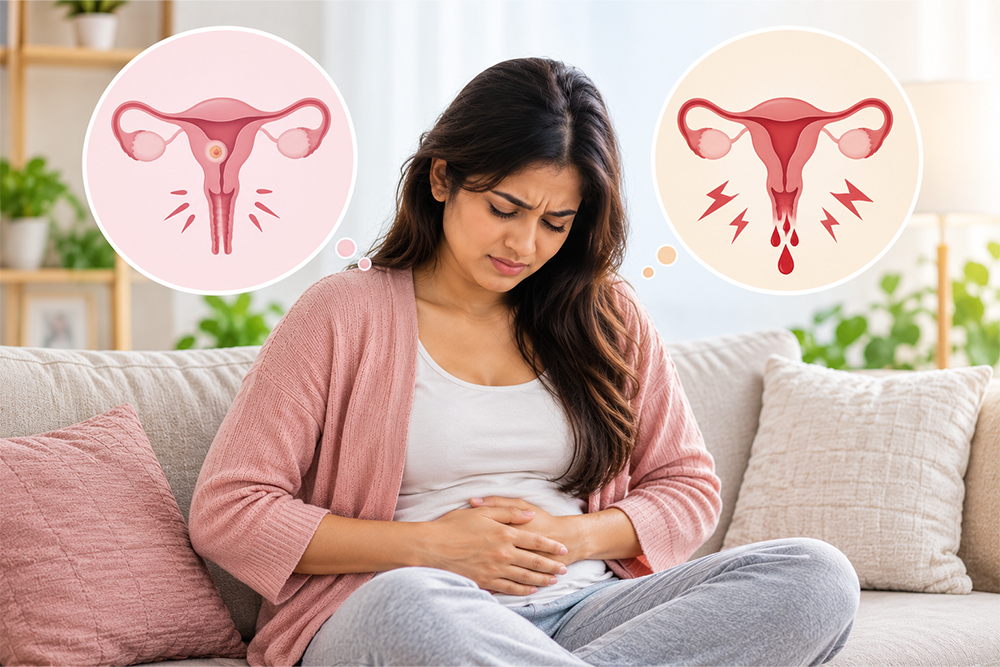
Implantation Cramps vs Period Cramps: What to Know Implantation Cramps vs Period Cramps: What to Know A little cramping around the time your period is due can leave you wondering what exactly is going on. Is your period about to start? Could it be pregnancy? And what about that tiny bit of spotting you noticed?It can be difficult to tell because implantation cramps and period cramps can feel quite similar. There isn’t a particular kind of pain that can tell you, with certainty, that you are pregnant. But understanding what is happening in your body can make the waiting a little less confusing. What Are Implantation Cramps? Implantation happens when a fertilised egg attaches itself to the inner lining of the uterus. It takes place after fertilisation and several days after ovulation.Some women may notice mild cramping around this time. It can feel like a slight pulling, twinge or dull ache in the lower abdomen. Others don’t feel anything at all. So, if you don’t have implantation cramps, that doesn’t mean you aren’t pregnant. And if you do have them, it doesn’t necessarily mean that you are. Why Do Periods Cause Cramps? Period cramps have a different reason. When menstruation begins, the uterus contracts to help shed its lining. Natural substances called prostaglandins are involved in this process. Higher levels can lead to stronger contractions and, for some women, more painful periods. This is why Prostaglandins and uterine contractions are closely linked to menstrual cramps. Period pain can start just before bleeding or around the first few days of the period. For some, it is barely noticeable. For others, it can make getting through a normal workday quite difficult. Implantation Cramps And Period Cramps: Is There A Difference? There can be differences, but they aren’t reliable enough to diagnose pregnancy. Implantation related cramps, when they occur, are generally mild and may come and go. Period cramps can be stronger and may continue for a day or more. Timing can also be different. Implantation happens before the expected period, while menstrual cramps generally appear shortly before or as the period begins. The problem is that everyone’s experience is different. A mild cramp before a period could simply be a mild period cramp. There is no way to know for sure just from the sensation. What About Spotting? This is where things can get even more confusing. Some women notice light spotting around the time implantation may occur. But spotting can happen for several other reasons too, so it shouldn’t automatically be taken as a sign of pregnancy. When looking at Implantation bleeding vs light period, the amount and duration may be different. Implantation related spotting, when it happens, is generally light, while a period usually develops into a more consistent flow. Heavy bleeding isn’t something that should simply be labelled as implantation bleeding. If the bleeding is unusual or accompanied by significant pain, speak to a doctor. Could Cramping Mean You Are Pregnant? Possibly, but not necessarily. Early pregnancy can bring several changes. Some women notice breast tenderness, tiredness, nausea, more frequent urination or changes in appetite. Others don’t notice much at all in the beginning. The trouble is that many Early pregnancy signs can also happen before a period. Breast tenderness and tiredness, for example, aren’t exclusive to pregnancy. So rather than trying to read every symptom, it is better to look at the bigger picture and, when appropriate, take a pregnancy test. What Does hCG Have To Do With It? Once implantation has taken place, the developing pregnancy starts producing a hormone called hCG.This hormone eventually becomes detectable in urine, which is what home pregnancy tests look for. Blood tests can also measure it. The timing matters. If you test very early, there may not be enough hCG in your urine for the test to detect it. That is one reason someone can have pregnancy symptoms and still get a negative test. As hCG hormone levels rise during early pregnancy, the hormone becomes easier to detect. What Is hCG? You may have seen the term hCG on a pregnancy test or in a lab report. Human chorionic gonadotropin is a hormone produced during pregnancy. Its levels rise during the early stages and can be detected through blood or urine tests. This is much more useful for confirming pregnancy than trying to decide whether a particular cramp “feels like” implantation. Can Tracking Your Temperature Help? Some women track their temperature every morning to understand their menstrual cycle and identify changes around ovulation. After ovulation, progesterone causes a small rise in body temperature. If pregnancy occurs, the temperature may stay elevated for longer than it normally would. Tracking Basal body temperature (BBT) can give you clues about your cycle, but it cannot confirm pregnancy. A pregnancy test is still the more dependable option. What Happens Inside The Uterus? Every month, the uterus prepares for the possibility of pregnancy. Its inner lining gradually becomes thicker after ovulation. This is the Endometrium lining, and it provides the surface where a fertilised egg can implant if pregnancy occurs If pregnancy doesn’t happen, hormone levels change and the lining is shed during the next menstrual period. It is this process that gives you your period. When Should You Take A Pregnancy Test? If your period is due and pregnancy is possible, a pregnancy test is more useful than trying to interpret cramps or spotting. Testing around the time your period is expected can give a more reliable result. If the test is negative but your period still doesn’t arrive, you may need to test again after a few days If you are unsure about the result or your symptoms, a gynaecologist can help you understand what is happening. When Should You Not Ignore The Pain? Mild cramping is common around both menstruation and early pregnancy. Severe pain is a different matter.Talk to a doctor if you have: Severe or increasing abdominal or pelvic pain Pain that is mainly on one side Heavy bleeding Dizziness… Continue reading Implantation Cramps vs Period Cramps: What to Know


Tag: Urology · Kidney Stones
Life After a Kidney Transplant: Diet, Lifestyle, and Mental Health

Life After a Kidney Transplant: Diet, Lifestyle, and Mental Health Life After a Kidney Transplant: Diet, Lifestyle, and Mental Health A kidney transplant can feel like the end of a long, difficult chapter. After months or years of dialysis, medical appointments and worrying about your health, getting a new kidney can bring a sense of relief.But life doesn’t simply go back to the way it was before kidney disease. There are medicines to take every day, follow up appointments to keep, changes to diet and some new habits to get used to. There can also be an emotional adjustment that people don’t always talk about. The good news is that with the right care and regular medical follow up, many kidney transplant recipients are able to return to work, spend time with family, travel and enjoy everyday life again. What Happens During Kidney Transplant Recovery? The first few weeks after surgery are usually about healing and closely monitoring the new kidney. Your transplant team will keep an eye on kidney function, blood pressure, blood tests and other signs of how your body is responding to the transplanted organ. Medicines that prevent rejection become a part of your daily routine. You may feel tired for a while, and your energy may not return overnight. Recovery is gradual. Even when you start feeling better, keeping up with medicines and appointments remains important. Medicines Are Part Of Everyday Life After a transplant, medicines that suppress the immune system are generally needed to reduce the risk of rejection. They need to be taken exactly as prescribed. Missing doses, changing the dose yourself or stopping medication because you feel well can put the transplanted kidney at risk. It is also worth checking with your doctor before starting a new medicine, supplement or herbal product. Something that seems harmless may not be suitable after a transplant or may interact with your existing medicines. What Should You Eat After A Kidney Transplant? Dietary needs can change after transplantation. You may not have exactly the same restrictions you had while on dialysis, but that does not mean there are no dietary considerations.Your doctor or dietitian may recommend changes based on your kidney function, blood pressure, blood sugar, cholesterol and medications.In general, a balanced diet can include: Plenty of vegetables and fruits, according to your individual medical advice Adequate protein Whole grains and other high fibre foods Less salt and highly processed food Appropriate fluid intake Limited foods high in added sugar and unhealthy fats Food safety also becomes particularly important because anti-rejection medicines weaken the immune system. Properly washing, storing and cooking food can reduce the risk of food borne infections. Can You Exercise After A Transplant? Physical activity can become an important part of getting back to normal, but it should be introduced gradually. Your transplant team can advise you when it is safe to start walking and progress to other activities. Over time, regular exercise can help with strength, cardiovascular health, weight management and overall wellbeing. You don’t have to turn into a fitness enthusiast overnight. A regular walk may be a perfectly good place to start. The right Kidney recipient lifestyle is not about following an extreme routine. It is about building habits that you can actually maintain. What About Work, Travel And Everyday Activities? Returning to normal activities depends on your recovery, general health and the type of work you do. Some people return to work relatively soon, while others need more time. Your doctor can help you decide when you are ready. Travel may also be possible after recovery. The important thing is to plan ahead. Carry enough medication, keep medicines in your hand luggage and make sure you know where you can get medical help if you need it. A transplant does not mean you have to stop living your life. It simply means some planning becomes part of it. Looking After Your Mental Health The emotional side of transplantation can be complicated. You may feel grateful and relieved one day and anxious the next. Some people worry constantly about rejection or what might happen to their new kidney. Others feel guilty about receiving an organ or struggle to adjust after years of living with illness. These feelings do not mean that you are not grateful for the transplant. Talking to family, friends, other transplant recipients or a mental health professional can help. If anxiety, sadness or fear starts affecting your sleep, relationships or ability to manage daily life, bring it up with your healthcare team. Mental health is part of Post-transplant care, not something that should be treated as an afterthought. What Can Help Protect The New Kidney? A transplanted kidney needs lifelong attention. Some of the habits that can support your health include: Taking anti-rejection medicines exactly as prescribed Attending scheduled check-ups and blood tests Monitoring blood pressure and blood sugar when advised Avoiding smoking Maintaining a healthy weight Staying physically active when cleared by your doctor Reporting unusual symptoms or changes in health promptly Checking with your transplant team before taking new medicines or supplements You may feel completely well, but regular monitoring still matters. Problems with kidney function do not always cause obvious symptoms in the beginning. Can You Live A Normal Life After A Transplant? For many people, transplantation opens the door to a much more active life. Going back to work, meeting friends, exercising, travelling and enjoying meals with family can all become part of your routine again. At the same time, some medical responsibilities stay with you for the long term. Life after kidney transplant is therefore less about forgetting that you had kidney disease and more about finding a sustainable balance between looking after your health and living your life. What Does Long Term Success Depend On? There is no single formula that guarantees how long a transplanted kidney will function. Your underlying health, the cause of your kidney disease, the health of the donor kidney, rejection episodes, infections, medication adherence and regular… Continue reading Life After a Kidney Transplant: Diet, Lifestyle, and Mental Health
Can Lifestyle Changes Help Prevent Ovarian Cysts? Understanding the Risks of Untreated Ovarian Cysts

Can Lifestyle Changes Help Prevent Ovarian Cysts? Understanding the Risks of Untreated Ovarian Cysts Can Lifestyle Changes Help Prevent Ovarian Cysts? Understanding the Risks of Untreated Ovarian Cysts Ovarian cysts are fluid-filled sacs that develop on or inside the ovaries. They are common among women, particularly during the reproductive years, and many ovarian cysts are harmless and may disappear on their own without causing noticeable symptoms.However, not all ovarian cysts are the same. Some may grow, cause pain or lead to complications if left untreated. This often raises an important question: Can lifestyle changes help prevent ovarian cysts?While healthy lifestyle habits may support overall reproductive and hormonal health, they cannot guarantee the prevention of every type of ovarian cyst. Understanding the different types of cysts, recognising symptoms and being aware of untreated ovarian cyst risks can help women seek timely ovarian cyst treatment when needed. What Causes Ovarian Cysts? Ovarian cysts can develop for several reasons. Many are linked to the normal menstrual cycle and are known as functional cysts. These may form when a follicle does not release an egg or when changes occur after ovulation.Other types of ovarian cysts may develop due to conditions such as: Endometriosis Polycystic ovary syndrome (PCOS) Hormonal changes Pregnancy Certain abnormal growths in or around the ovary The cause and type of cyst can influence whether it requires observation, medication or further ovarian cyst therapy. Can Lifestyle Changes Prevent Ovarian Cysts? There is no guaranteed lifestyle method that can prevent all ovarian cysts. Some cysts occur naturally as part of the ovulation process and may develop even in otherwise healthy women.However, certain lifestyle habits may support overall hormonal and reproductive health. 1. Maintain a Healthy Weight Maintaining a healthy weight may support hormonal balance. For women with conditions associated with hormonal irregularities, healthy weight management may also play a role in improving overall reproductive health. 2. Follow a Balanced Diet A balanced diet that includes vegetables, fruits, whole grains and adequate protein can support general health. While no specific food has been proven to prevent all ovarian cysts, good nutrition remains an important part of maintaining overall well-being. 3. Stay Physically Active Regular physical activity can support healthy weight management and general hormonal health. Exercise should be chosen according to individual fitness levels and medical conditions. 4. Attend Regular Gynaecological Check-Ups Regular health check-ups can help identify certain reproductive health concerns early. Women who have a history of ovarian cysts or ongoing symptoms may benefit from appropriate medical follow-up. 5. Pay Attention to Menstrual Changes Changes in menstrual patterns, persistent pelvic pain or unusual symptoms should not be ignored. Keeping track of menstrual cycles and symptoms can help provide useful information during a medical consultation. What Are the Symptoms of an Ovarian Cyst? Many ovarian cysts cause no symptoms. However, depending on their size, type and location, some cysts may cause: Pelvic pain or discomfort A feeling of pressure or heaviness in the lower abdomen Bloating Pain during certain movements or activities Changes in menstrual patterns Pain during intercourse Frequent urination if a large cyst puts pressure on the bladder Symptoms can vary from person to person. Persistent or worsening symptoms should be evaluated by a healthcare professional. What Are the Risks of an Untreated Ovarian Cyst? Not every ovarian cyst requires immediate treatment. Some small and simple cysts may be monitored through follow-up consultations and imaging.However, depending on the type and nature of the cyst, there can be untreated ovarian cyst risks. Ovarian Cyst Rupture Some cysts can rupture, causing sudden pain and, in certain cases, internal bleeding. The severity can vary depending on the type and size of the cyst. Ovarian Torsion A larger ovarian cyst may increase the risk of ovarian torsion, where the ovary twists around the tissues that support it. This can affect blood supply to the ovary and may require urgent medical attention. Persistent or Worsening Pain A cyst that does not resolve may continue to cause pelvic discomfort or pain, affecting daily activities and quality of life. Growth of the Cyst Some cysts may increase in size over time. Large cysts can cause pressure-related symptoms and may require further evaluation. Underlying Conditions May Go Undiagnosed Persistent cysts can sometimes be associated with conditions that require specific treatment. This is why appropriate evaluation is important rather than assuming every cyst will disappear on its own. When Is Ovarian Cyst Treatment Needed? The need for ovarian cyst treatment depends on several factors, including: The size and appearance of the cyst The type of cyst The woman’s age Whether symptoms are present Whether the cyst changes over time Whether there are concerns about complications Some cysts may only require regular monitoring, while others may require medication, further tests or surgical management.The right approach should always be based on an individual medical evaluation. What Does Ovarian Cyst Therapy Involve? Ovarian cyst therapy can vary depending on the diagnosis. In some cases, the doctor may recommend watchful waiting and follow-up scans to monitor the cyst.Other management options may include: Medication for symptom management or underlying hormonal conditions Regular ultrasound monitoring Treatment for associated conditions Minimally invasive surgery or other surgical procedures when medically necessary The goal of treatment is to manage symptoms, address the underlying cause when possible and reduce the risk of complications. When Should You Seek Medical Attention? It is important to seek medical advice for persistent or unexplained pelvic symptoms. Urgent medical attention may be necessary if there is: Sudden, severe pelvic or abdominal pain Pain accompanied by fever or vomiting Severe weakness, dizziness or fainting Rapid worsening of symptoms These symptoms may indicate a complication that requires prompt medical evaluation. Ovarian Cyst Care in Punjab Women experiencing persistent pelvic pain, menstrual changes or other symptoms should seek appropriate medical evaluation rather than relying on self-diagnosis.For those looking for ovarian cyst care in Punjab, consulting a qualified gynaecologist can help determine the type of cyst and whether observation, medication or further treatment is needed. Timely diagnosis can… Continue reading Can Lifestyle Changes Help Prevent Ovarian Cysts? Understanding the Risks of Untreated Ovarian Cysts
How Does Aging Affect Urinary Health in Men and Women?
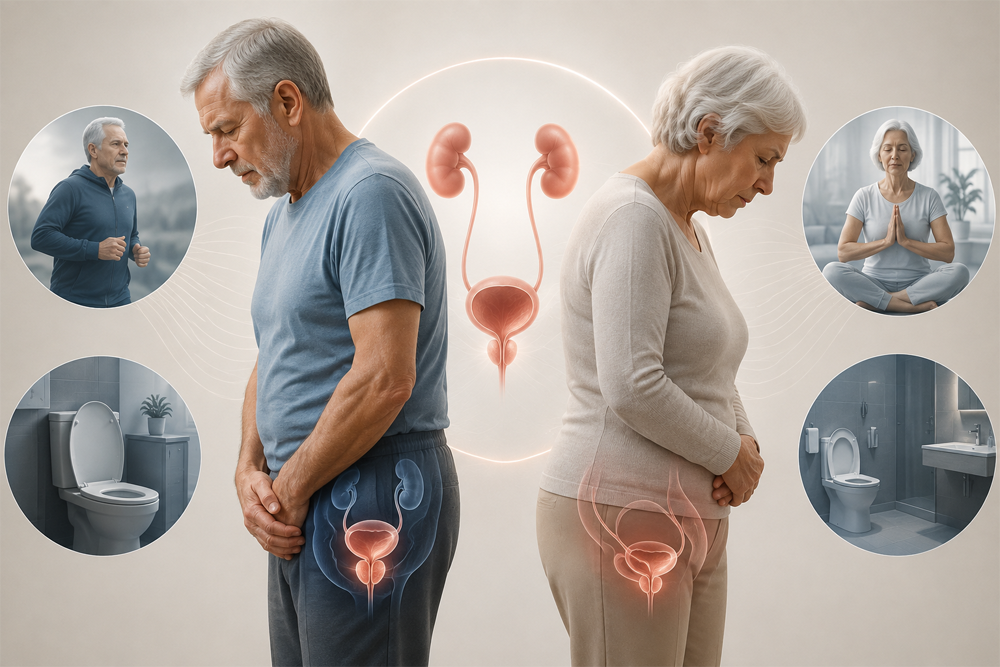
How Does Aging Affect Urinary Health in Men and Women? How Does Aging Affect Urinary Health in Men and Women? As we grow older, our bodies go through many changes, and the urinary system is no exception. Changes in the kidneys, bladder, urinary muscles and, in some cases, the prostate can affect how often a person urinates and how well they are able to control or empty their bladder.While some urinary changes with aging are common, frequent or troublesome symptoms should not always be considered an unavoidable part of getting older. Difficulty passing urine, urine leakage, frequent urination or repeated infections may sometimes point to an underlying condition that needs medical attention.Understanding how aging affects urinary health can help both men and women recognise symptoms early and seek the right urine problem in old age solution. How Does Aging Affect the Urinary System? The urinary system includes the kidneys, ureters, bladder and urethra. With age, several changes may occur: The kidneys may become less efficient at filtering waste and maintaining fluid balance. The bladder may hold less urine than before. Bladder muscles may become weaker or less flexible. The urge to urinate may become more frequent. Some people may experience difficulty completely emptying the bladder. The muscles that help control urine flow may weaken. These changes can make older adults more likely to experience urinary urgency, frequent urination, nighttime urination and, in some cases, urine leakage.However, significant changes in urinary habits should always be assessed, especially when they interfere with daily life or appear suddenly. Common Urinary Changes With Aging 1. Frequent Urination Many older adults notice that they need to urinate more often. This may happen because the bladder’s capacity and ability to store urine can change with age.However, frequent urination can also be associated with conditions such as urinary tract infections, diabetes, certain medications or bladder problems. Identifying the underlying cause is important before choosing treatment. 2. Waking Up Frequently at Night to Urinate Getting up once in a while at night may not always be a concern. But waking up multiple times every night to urinate can disturb sleep and affect overall quality of life.This may be related to changes in bladder function, increased urine production at night, fluid intake patterns or other medical conditions. 3. Urinary Urgency Some older adults may suddenly feel a strong and difficult-to-control urge to urinate. This can make it challenging to reach the bathroom in time.Urgency may occur due to changes in bladder function, but it can also be linked to infection or other urinary conditions. 4. Urinary Incontinence Urinary incontinence refers to the involuntary leakage of urine. It can affect both men and women and may range from occasional small leaks to more significant loss of bladder control.Common types include: Stress incontinence: Leakage during coughing, sneezing, laughing or physical activity. Urge incontinence: A sudden, intense urge to urinate followed by leakage. Overflow incontinence: Leakage caused by incomplete bladder emptying. Functional incontinence: Difficulty reaching the bathroom due to mobility or other physical limitations. The right treatment depends on the type and underlying cause of the problem. Urine Problems in Men as They Age A common urine problem in men during older age is related to changes in the prostate. The prostate may enlarge with age, which can put pressure on the urethra and affect the normal flow of urine.Men may experience symptoms such as: Difficulty starting urination A weak or interrupted urine stream Dribbling after urination Feeling that the bladder has not emptied completely Frequent urination Increased need to urinate at night Sudden urgency to urinate Although an enlarged prostate is a common reason for urinary symptoms in older men, other conditions can also cause similar problems. Therefore, persistent symptoms should be properly evaluated rather than self-treated. Urine Problems in Women as They Age A urine problem in female patients can become more common with aging due to changes in the pelvic floor, bladder and hormonal status.Women may experience: Frequent urination Urinary urgency Urine leakage Difficulty holding urine Repeated urinary tract infections Discomfort while urinating Weakening of the pelvic floor muscles can affect bladder control. Hormonal changes after menopause may also contribute to changes in the urinary tract.The good news is that many urinary problems in women can be managed with appropriate treatment, lifestyle changes, pelvic floor exercises or other medical interventions, depending on the cause. When Is a Urine Problem in Old Age a Cause for Concern? Not every urinary change is serious, but some symptoms should never be ignored. Medical evaluation is important if there is: Blood in the urine Pain or burning while urinating A sudden inability to pass urine Repeated urinary tract infections Severe or worsening urinary leakage Persistent difficulty starting or maintaining urine flow A constant feeling of incomplete bladder emptying Sudden major changes in urinary habits Fever along with urinary symptoms Flank, abdominal or pelvic pain Early diagnosis can help identify the cause and prevent complications. What Is the Right Urine Problem in Old Age Solution? There is no single solution for every urinary problem. Treatment depends on what is causing the symptoms.After a proper evaluation, management may include: Lifestyle Changes Simple measures may help improve bladder health, such as: Managing fluid intake appropriately Avoiding excessive caffeine when it worsens symptoms Maintaining a healthy weight Following regular bathroom habits Staying physically active Pelvic Floor Exercises Strengthening the pelvic floor muscles may help improve bladder control, particularly for some people with urinary leakage. Treatment for Underlying Conditions Conditions such as urinary infections, prostate problems, diabetes or bladder disorders may require specific treatment. Addressing the underlying cause is an important part of finding the right urine problem in old age solution. Medical or Surgical Treatment Depending on the diagnosis, a doctor may recommend medication, minimally invasive procedures or surgery for certain urinary conditions. Can Urinary Problems Be Prevented? It may not always be possible to prevent every age-related urinary change, but healthy habits can support better urinary health.Some helpful steps include: Drinking adequate fluids Not delaying… Continue reading How Does Aging Affect Urinary Health in Men and Women?
Urine Changes You Shouldn’t Ignore: Signs of UTI, Causes & Cure
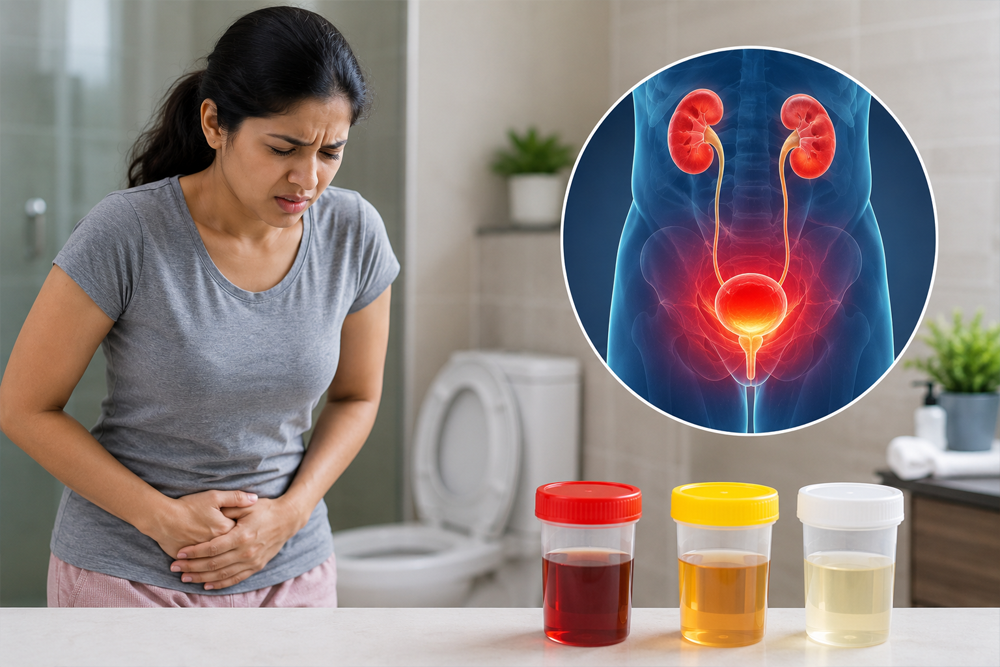
Urine Changes You Shouldn’t Ignore: Signs of UTI, Causes & Cure Urine Changes You Shouldn’t Ignore: Signs of UTI, Causes & Cure Most of us don’t pay much attention to our urine until something starts to feel different. It may begin with a slight discomfort while passing urine. You tell yourself it’ll settle after drinking more water. But then you find yourself rushing to the washroom every hour, and each visit feels more uncomfortable than the last. A urinary tract infection is one of the most common infections affecting both men and women, especially women. Recognising the symptoms early and seeking the right urinary tract infection treatment can help prevent the infection from spreading to the kidneys and causing more serious problems. When Your Body is Trying to Tell You Something A urinary tract infection, commonly called a UTI, occurs when bacteria enter the urinary system and begin multiplying. The infection may affect the bladder, urethra, ureters or even the kidneys if left untreated.The good news is that most UTIs respond well to treatment, particularly when diagnosed early. Ignoring the symptoms, however, can make recovery longer and increase the risk of complications. It’s Not Just Burning While Passing Urine Many people think a UTI always causes severe pain. Not necessarily.For some, it starts with a mild burning sensation while urinating. Others simply notice that they’re visiting the toilet much more often than usual. Some people experience only one or two symptoms in the beginning.Common signs include: Burning or pain while passing urine Frequent urge to urinate Passing only small amounts of urine Cloudy or foul smelling urine Blood in the urine Pain in the lower abdomen or pelvis Fever or chills in more severe infections If these symptoms continue for more than a day or become worse, it’s time to see a doctor. Why Do UTIs Happen? People often assume poor hygiene is the only cause. That’s only part of the story.Several factors can increase the risk of developing a UTI, including dehydration, holding urine for long periods, diabetes, pregnancy, kidney stones and certain urinary tract abnormalities. Women are generally more prone to UTIs because of the shorter length of the urethra, allowing bacteria to reach the bladder more easily. Sometimes, the infection can return repeatedly, making it important to identify the underlying cause instead of treating each episode separately. Don’t Ignore Changes in Your Urine Your urine often gives important clues about your health.Changes in colour, smell or frequency don’t always mean there’s an infection. Certain foods, medicines and dehydration can also alter the appearance of urine. But when these changes occur along with pain, fever or persistent discomfort, they deserve medical evaluation rather than guesswork.Waiting for the symptoms to disappear on their own isn’t always the best approach, especially if the infection has already started spreading. How is a UTI Diagnosed? A diagnosis isn’t based only on symptoms. Your doctor will usually ask about your medical history and examine your symptoms before recommending tests.Depending on the situation, the evaluation may include: Urine routine examination Urine culture Blood tests if required Ultrasound or other imaging in recurrent or complicated infections These investigations help confirm the infection and identify the bacteria responsible, allowing the most appropriate treatment to be prescribed. How is a UTI Treated? One of the biggest mistakes people make is assuming every UTI will go away on its own. While drinking more water may help ease mild discomfort, it doesn’t eliminate the bacteria causing the infection.The right urinary tract infection treatment depends on the severity of the infection, your symptoms and, in some cases, the results of a urine culture. Early treatment usually leads to faster recovery and lowers the risk of the infection spreading to the kidneys. Do All UTIs Need Antibiotics? Not every urinary symptom is caused by a bacterial infection. That’s why doctors don’t recommend taking antibiotics without a proper evaluation. When a bacterial UTI is confirmed, antibiotic treatment for UTI is usually the most effective option. The choice of antibiotic depends on the type of bacteria, the severity of the infection and your medical history. Completing the full course is important, even if you start feeling better after a couple of days. Stopping medicines too early can increase the chances of the infection returning and may also contribute to antibiotic resistance Can You Prevent a UTI? The answer is yes, at least in many cases. Simple everyday habits can reduce the chances of developing another infection: Drink enough water throughout the day. Don’t hold urine for long periods. Maintain good personal hygiene. Empty your bladder after sexual activity. Wear loose, breathable cotton underwear. Manage diabetes and other underlying medical conditions. These habits don’t guarantee you’ll never develop a UTI, but they can certainly reduce the risk When Should You See a Doctor? Some people wait until the pain becomes unbearable before seeking medical care. That’s not a good idea.Consult a urologist for UTI if your symptoms persist for more than a day, return frequently or are accompanied by fever, chills, back pain or blood in the urine. These could indicate that the infection has spread beyond the bladder and needs prompt treatment.Early diagnosis often means simpler treatment and a quicker recovery.A urinary tract infection is common, but that doesn’t mean it should be ignored. Persistent burning, frequent urination or noticeable changes in your urine deserve medical attention, especially if the symptoms continue to worsen.At Gomti Thapar Hospital, our experienced Urine Infection Specialist in Moga provides comprehensive evaluation and personalised care to identify the cause of your symptoms and recommend the most appropriate treatment. If you’re looking for a trusted urologist for UTI, our team is here to help you recover safely and prevent future infections. Frequently Asked Questions 1. What are the first signs of a urinary tract infection? The earliest symptoms often include a burning sensation while urinating, frequent urination, cloudy urine and discomfort in the lower abdomen. 2. Can a UTI go away without antibiotics? Some mild urinary symptoms may… Continue reading Urine Changes You Shouldn’t Ignore: Signs of UTI, Causes & Cure
Pediatric Bedwetting Solutions and Urological Health Management for Young Children

Pediatric Bedwetting Solutions and Urological Health Management for Young Children Every parent expects a few accidents during toilet training. What many don’t expect is bedwetting to continue long after that phase is over. A child who wets the bed is often more upset about it than the parents realize. Some children laugh it off. Others quietly feel embarrassed, especially when sleepovers, school camps, or visits to relatives come up.The good news is that bedwetting is common. In many cases, it improves with age. Still, understanding pediatric urinary health can help parents know when patience is enough and when it may be time to seek medical advice. “My Child Is Eight. Is This Normal?” This is probably one of the most common questions parents ask. The answer is not always straightforward. Some children naturally develop nighttime bladder control later than others. A child who is completely healthy may still wet the bed occasionally. In fact, doctors see this more often than many parents think.A few things that can contribute include: Deep sleep patterns Family history of bedwetting Delayed bladder maturation Constipation Stressful life changes Certain medical conditions Not every child who wets the bed has a health problem. But persistent urinary problems in children should not be ignored either. Sometimes It’s Not Just About the Bedwetting This is where parents need to look at the bigger picture. Does the child rush to the bathroom frequently during the day? Do they complain of burning while passing urine? Have they had repeated urine infections? Are there daytime accidents too? Questions like these help doctors understand whether bedwetting is simply developmental or part of something larger. Sometimes the issue is minor. Occasionally, it points to a condition affecting the bladder or urinary tract. What Parents Often Get Wrong Let’s be honest. Bedwetting can test anyone’s patience. Washing bedsheets at 2 a.m. is not fun. But one thing specialists repeatedly emphasize is this: children rarely wet the bed on purpose. Scolding, punishment, embarrassment, or comparing a child with a sibling usually creates more stress than solutions.Most children already know there is a problem. What they need is support, not blame Looking Beyond the Surface When families visit for Pediatric bedwetting treatment, the conversation usually starts with simple questions.Not complicated tests. Not medications. Questions.How often does it happen? Has it always been there? Did it start suddenly? Is there constipation? How much water does the child drink?Sometimes these answers reveal more than parents expect.At Gomti Thapar Hospital, Pediatric bedwetting treatment, focuses on understanding the whole child rather than just the symptom. Small Changes That Can Help Parents are often looking for a magic solution. Unfortunately, there usually isn’t oneBut there are a few practical steps that may help: Encourage regular bathroom visits during the day Avoid excessive fluids right before bedtime Treat constipation if present Create a consistent bedtime routine Encourage children without shaming them Keep track of patterns using a simple diary Not every strategy works for every child. Sometimes it takes a little trial and error. When Should Parents Consider a Specialist? A specialist is not needed for every child who wets the bed. However, certain situations deserve closer attention. For example: Bedwetting continues despite getting older Frequent urinary infections Pain while urinating Daytime wetting accidents Weak urine stream Sudden onset bedwetting after a long dry period In such situations, a Pediatric urologist may recommend further evaluation to understand what is happening.That is where practical care matters most. Good diagnosis, honest advice, and the right treatment choice often make all the difference. It’s About More Than Dry Bedsheets Many parents focus on the laundry. Children often focus on something else. Confidence. A child who avoids sleepovers because of bedwetting is dealing with more than a wet mattress. Some become anxious. Others stop participating in activities they enjoy.This is why child urology treatment is not only about the urinary system. It is also about helping children feel comfortable, confident, and supported. The Bigger Picture of Urinary Health Bedwetting is only one piece of the puzzle. Healthy bladder habits developed during childhood can benefit children for years to come.Simple habits matter: Drinking enough water Not holding urine for long periods Maintaining regular bowel habits Seeking medical advice when symptoms persist These steps can contribute to better bedwetting solutions for children alongside appropriate medical care when needed. Frequently Asked Questions 1.At what age should bedwetting be evaluated? Many children outgrow bedwetting naturally. If it continues as the child grows older or is associated with other symptoms, a medical assessment may be worthwhile. 2. Can constipation really affect bedwetting? Yes. Constipation can place pressure on the bladder and contribute to urinary symptoms in some children. 3. Should I stop my child from drinking water at night? Children should stay hydrated. Rather than restricting fluids completely, parents can discuss healthy fluid timing with their doctor. 4. Is bedwetting caused by laziness? No. Children generally do not wet the bed intentionally. Bedwetting is usually related to bladder development, sleep patterns, or other underlying factors. 5. When should a child see a specialist? Persistent symptoms, recurrent infections, daytime accidents, or unusual urinary complaints may require further evaluation. 6. How is bedwetting evaluated? Evaluation typically includes a medical history, physical examination, review of bladder habits, and additional tests if needed. At Gomti Thapar Hospital, child urology treatment begins with understanding the child’s symptoms, daily routine, and overall health before deciding on the next steps. Author: Dr. Ashish Koura The information provided in this article is intended for educational purposes only and should not be considered as a substitute for professional medical advice, diagnosis, or treatment.
The Impact of Environmental Pollutants on Male Sperm Quality and Fertility

The Impact of Environmental Pollutants on Male Sperm Quality and Fertility The environment around us may be influencing fertility in ways many people never consider When people talk about fertility, the conversation usually revolves around age, lifestyle, diet, stress, or underlying medical conditions. What often gets left out is the environment we live in every day. The air we breathe, the chemicals we come into contact with, and even some products we use regularly can have an effect on male reproductive health.For years, fertility specialists focused mainly on biological and lifestyle causes of infertility. While those factors remain important, growing research suggests that environmental exposure may also contribute to reproductive challenges in some men. This does not mean pollution is the sole reason for infertility, but it is becoming a factor that cannot be ignored. The Modern World Comes with New Risks Think about how different life is today compared to a few decades ago. More vehicles on the roads, more industrial activity, more processed products, and greater exposure to chemicals in daily life. Many of these changes have improved convenience, but they have also increased our contact with substances that may affect the body over time.Researchers studying environmental toxins and sperm health have examined pollutants such as pesticides, heavy metals, industrial chemicals, vehicle emissions, and certain compounds found in plastics. While the level of risk varies from person to person, long term exposure has raised concerns among fertility experts. How Pollutants May Affect Sperm Sperm production is a continuous process. Healthy sperm development depends on hormones, good blood supply, proper testicular function, and overall health. When harmful substances enter the body repeatedly over long periods, they may interfere with some of these processes.In certain cases, specialists investigating fertility problems in men find that occupational exposure or environmental factors are worth considering alongside medical history and lifestyle habits. This is particularly relevant for individuals who work in agriculture, manufacturing, chemical industries, painting, welding, or other professions involving regular chemical exposure.Scientists have also explored how some pollutants increase oxidative stress in the body. Oxidative stress occurs when harmful molecules outnumber the body’s natural defenses. Over time, this may affect sperm count, movement, shape, and even genetic quality. Who Might Be at Greater Risk? Not everyone exposed to pollution develops fertility issues. However, certain groups may face higher levels of exposure than others.These may include: Agricultural workers handling pesticides Factory and industrial workers Men exposed to heavy metals at work Individuals living near highly polluted environments Workers frequently exposed to solvents and chemicals Small Everyday Habits Matter Too Environmental exposure is not limited to workplaces. Everyday choices can also contribute to overall chemical exposure levels.For example, frequent smoking, excessive alcohol consumption, poor dietary habits, and prolonged exposure to certain chemicals can place additional stress on the body’s reproductive system. While no single habit is usually responsible for infertility, multiple factors acting together may affect reproductive health over time. This is why fertility evaluations often look beyond laboratory reports and explore a person’s overall lifestyle and environment. When Should a Man Consider Fertility Evaluation? Many men assume fertility testing is only necessary after years of trying to conceive. In reality, earlier evaluation can sometimes identify concerns before they become larger problems.At Gomti Thapar Hospital, male fertility treatment in Moga often begins with a detailed understanding of the individual’s medical history, lifestyle, occupation, and reproductive goals. These discussions can sometimes reveal factors that may otherwise be overlooked.If a couple has been trying to conceive without success, or if previous test reports have shown abnormalities, seeking professional guidance may help clarify the situation. Looking Beyond the Test Report A semen analysis provides valuable information, but it is only one piece of the puzzle. Hormonal balance, medical conditions, lifestyle habits, environmental exposure, and overall health can all influence fertility outcomes.At Gomti Thapar Hospital, male sperm treatment in Moga is tailored to the underlying cause rather than relying on a one size fits all approach. Specialists assess multiple factors before recommending treatment options that are appropriate for the individual.In many situations, addressing lifestyle factors and reducing unnecessary exposure to harmful substances may form an important part of the overall treatment plan. Awareness Is the First Step Environmental pollutants are not always visible, and their effects are not always immediate. That is what makes them difficult to recognize. While it is impossible to eliminate every exposure, being aware of potential risks can help people make informed choices.Simple steps such as using protective equipment at work, avoiding unnecessary chemical exposure, maintaining a healthy lifestyle, and seeking medical advice when needed can contribute positively to fertility and overall well-being. Frequently Asked Questions 1.Can pollution really affect sperm quality? Research suggests that long term exposure to certain pollutants may affect sperm count, movement, and overall quality. The extent of the impact varies between individuals 2. Which environmental pollutants are most commonly linked to fertility issues? Pesticides, heavy metals, industrial chemicals, air pollution, and certain plastic related compounds are among the substances most frequently studied. 3. Can sperm quality improve if exposure is reduced? In some cases, improvements may occur after reducing exposure to harmful substances and adopting healthier lifestyle habits. The outcome depends on the underlying cause and individual health factors. 4. Should I be concerned if I work around chemicals? Not necessarily, but men with regular occupational exposure may benefit from discussing their work environment with a fertility specialist, particularly if conception has been difficult. 5. How do doctors evaluate male fertility? Evaluation typically includes a detailed medical history, physical examination, hormonal assessment, and semen analysis. At Gomti Thapar Hospital, male fertility treatment in Moga begins with understanding the complete picture, including lifestyle factors, medical conditions, and reproductive history. Depending on the findings, additional investigations may be recommended to identify the underlying cause and guide appropriate treatment. 6. When should I seek medical advice for fertility concerns? If pregnancy has not occurred after a reasonable period of trying, or if there are known risk factors affecting fertility, a professional… Continue reading The Impact of Environmental Pollutants on Male Sperm Quality and Fertility
How Laser Technology is Transforming Kidney Stone Treatment
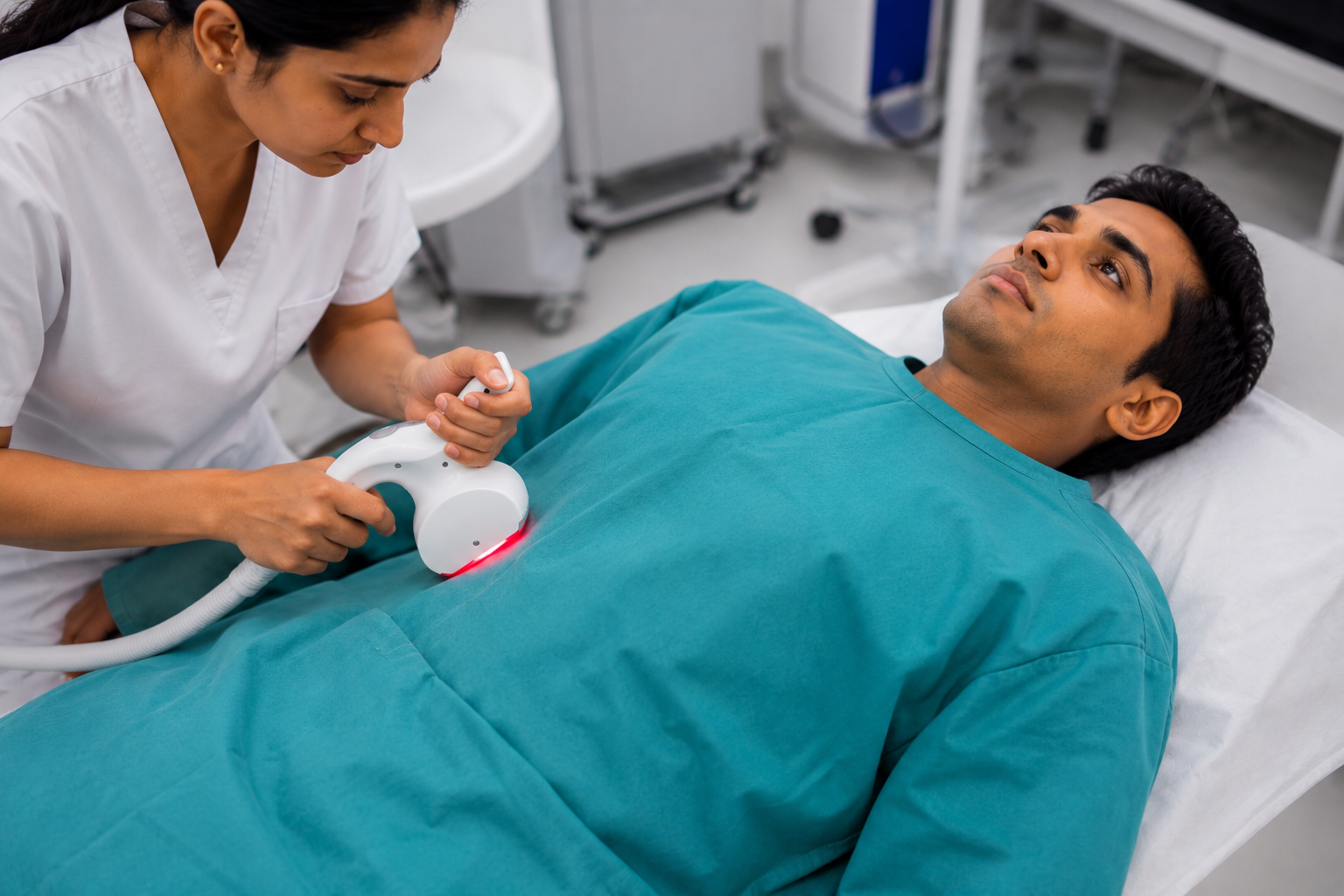
How Laser Technology is Transforming Kidney Stone Treatment A Better Way to Treat a Painful Problem Anyone who has dealt with kidney stones knows how suddenly the pain can take over life. It often starts as a sharp pain in the back or side, and within hours, even sitting still feels difficult. For many people, the bigger fear is not the stone itself, but the thought of surgery.Thankfully, treatment has changed a lot over the years. Today, many hospitals use laser kidney stone treatment because it is safer, cleaner, and much less stressful for patients compared to older methods. Instead of large cuts and long recovery periods, most people now look for options that help them get treated and return to normal life faster. Signs People Usually Ignore Kidney stones rarely arrive politely. They show up with symptoms people often dismiss first. Some common signs include: • Sudden pain in the lower back or side• Burning sensation while passing urine• Blood in urine• Frequent urge to urinate• Nausea or vomiting• Fever if infection has started Ignoring these signs can make things worse. The right urology treatment for kidney stones at the right time can prevent bigger complications later. How Laser Treatment Actually Works Many patients imagine open surgery when they hear treatment, but laser procedures are very different.Doctors usually perform a procedure called ureteroscopy: • A thin scope is passed through the urinary tract• No large external cuts are made• The stone is located using the scope• A laser breaks the stone into tiny pieces• These fragments either pass naturally or are removed safely This is why kidney stone laser surgery has become the preferred choice for many patients. Less fear, less pain, and usually a shorter hospital stay. Why Doctors Prefer Laser Technology This is not just about new machines looking advanced. Laser treatment genuinely improves outcomes. Why it is preferred: • Better precision• Less bleeding• Lower chance of infection• Faster healing• Shorter hospital stay• Less discomfort after treatment People searching for a kidney stone treatment hospital in Moga often ask us for laser procedures because they want treatment that feels manageable, not overwhelming. Recovery is Faster Than People Expect One common myth is that stone surgery means weeks of bed rest. That is usually not true with laser procedures. Most patients: • Walk within a few hours• Go home in a short time depending on the case• Return to light routine activities quickly• Need only short follow up care Of course, recovery depends on the size and position of the stone. Our kidney stone specialist in Moga will explain this clearly instead of giving unrealistic promises. Choosing the Right Doctor Still Matters Technology helps, but treatment decisions still depend on the doctor. Not every stone needs the same approach. Some may pass naturally, some need laser treatment, and some larger stones may require a different procedure altogether. That is why choosing the right doctor matters just as much as choosing the right technology. Patients looking for the best urologist for kidney stones in Moga often come to us for trust, clear guidance, and the confidence that the treatment plan is truly right for them. At Gomti Thapar Hospital, patients are guided through diagnosis first and treatment next, instead of being pushed toward unnecessary procedures. Small Habits That Help Prevent Stones Treatment is one part. Prevention is the bigger win. Doctors usually suggest: • Drinking enough water daily• Reducing excess salt intake• Avoiding too much processed food• Managing calcium balance properly• Following diet advice based on stone type• Regular follow up if stones are recurring Simple habits sound boring, but they save people from repeating the same painful experience. Kidney stone treatment today is not what it used to be ten years ago. Laser technology has made it more precise, less invasive, and far less frightening for patients. The goal is not just removing the stone. It is helping people feel normal again without dragging fear into every hospital visit. That is where practical care matters most. Good diagnosis, honest advice, and the right treatment choice often make all the difference. Frequently Asked Questions 1.Is laser treatment painful? No, the procedure is usually done under anesthesia, so patients do not feel pain during treatment. Mild discomfort after the procedure is normal and manageable. 2. How long does recovery take? Most patients recover faster than they expect and can return to normal activities much sooner than with traditional surgery. 3. Can small kidney stones pass naturally? Yes, some small stones may pass with medicines, fluids, and proper medical supervision. 4. Do all kidney stones need laser treatment? No, treatment depends on the size, location, and type of the stone. Some cases may need a different approach. 5. Is laser treatment safe? Yes, laser treatment is considered safe and is commonly used for effective stone removal with less discomfort. 6. Where should I go for treatment in Moga? Choosing the right kidney stone treatment hospital in Moga is important for accurate diagnosis, safe treatment, and faster recovery. At Gomti Thapar Hospital, patients receive treatment with advanced urology care and a focus on practical, patient specific solutions. 7. Does the doctor matter more than the machine? Yes, the experience of the best urologist for kidney stones in moga often makes a bigger difference than technology alone. At Gomti Thapar Hospital, the focus is always on the right diagnosis first, followed by the treatment that truly suits the patient.
Kidney Stones in Summer: Why April–June Is the Riskiest Season for Your Kidneys

Kidney Stones in Summer: Why April–June Is the Riskiest Season for Your Kidneys Kidney Stones in Summer: Why April–June Is the Riskiest Season for Your Kidneys April to June in Punjab is not easy on the body. The heat builds up fast. Water intake drops without noticing. And small things start showing up. Pain that comes and goes. Discomfort while passing urine. A feeling that something is off but not serious enough to act on immediately. These are often early kidney stone symptoms. Most people ignore it at first. Until it becomes difficult to ignore. Why summer increases kidney stone risk The reason is not complicated. In summer, the body loses more water through sweat. If that is not replaced properly, urine becomes concentrated. That is when minerals start settling and forming crystals. At our centre, we see more cases needing kidney stone treatment in Punjab during these months than any other time of the year. It builds slowly, then shows up suddenly. What actually are kidney stones Kidney stones are not something that appear overnight. They form over time. Minerals in the urine start sticking together. Small crystals form first. Then they grow. Some stay small enough to pass. Some become large enough to cause pain or blockage. That is when it starts affecting daily life. Common symptoms people ignore The problem is not that symptoms are hidden. It is that they feel manageable.Common kidney stone symptoms include: • Sharp pain in the lower back or side• Burning sensation while passing urine• Blood in urine• Nausea or vomiting• Frequent urge to pass urine It does not always come all at once. It builds. Who is at higher risk in summer Not everyone faces the same risk. Some patterns show up more clearly. At Gomti Thapar Hospital, our urology hospital in Punjab, we usually see higher risk in: • People working outdoors for long hours• Those who drink less water through the day• Patients with previous stone history• Diets high in salt and processed food It is usually not one factor. It is a mix When should you see a doctor This is where most people delay. If the pain is sharp, keeps coming back, or if there is burning or blood in urine, it is better to consult our kidney stone doctor in Moga early. Waiting for it to pass on its own works sometimes. Not always. How kidney stones are diagnosed Diagnosis is not complicated. But it needs clarity. With our best urologist in Moga, evaluation usually includes scans and basic tests to understand size, position, and cause. • Ultrasound or CT scan • Urine test • Blood test It is not just about finding the stone. It is about understanding why it formed. Treatment options available Not every stone needs surgery. That is a common misconception.At Gomti Thapar Hospital, treatment for kidney stone surgery in Punjab is considered only when needed. Most cases start with simpler approaches • Medication to help pass smaller stones• Procedures like lithotripsy• Surgery if stones are large or complicated It depends on the case. Not a fixed path How to prevent kidney stones in summer This is the part most people ignore until it happens • Drinking water consistently through the day• Reducing excess salt intake• Avoiding long gaps without fluids• Keeping diet balanced Nothing extreme. Just consistent Why the right hospital matters Kidney stones are common. But how they are handled makes a difference. At Gomti Thapar Hospital, patients usually come in looking for clear direction more than anything else, especially when consulting our best urologist in Moga. Because once the pain starts, confusion makes it worse. Kidney stones are more common in summer. That part is predictable. What is not predictable is how quickly it can go from manageable to severe. Paying attention early helps. Not overthinking. Just not ignoring. Frequently Asked Questions 1. What are the first signs of kidney stones Early signs usually include pain in the lower back or side, burning while passing urine, or frequent urge to urinate. These are common kidney stone symptoms that should not be ignored. 2. Why are kidney stones more common in summer During summer, the body loses more water through sweat. If fluids are not replaced properly, urine becomes concentrated, which increases the chances of stone formation. 3. When should I see a doctor for kidney stones If the pain is severe, keeps returning, or if there is blood in urine or vomiting, it is better to consult early instead of waiting. 4. Can kidney stones go away without treatment Smaller stones may pass on their own with medication and hydration. Larger stones usually need medical support or procedures. 5. Is surgery always required for kidney stones No. At centres offering kidney stone surgery Punjab, surgery is usually considered only when other treatments are not effective or when the stone is too large. 6. How much water should I drink to prevent kidney stones It is generally advised to drink enough water so that urine stays light in colour. In summer, intake should be higher than usual. 7. Where can I get kidney stone treatment in Moga You can visit Gomti Thapar Hospital for structured kidney stone treatment Punjab with proper evaluation and treatment planning. 8. Who should I consult for kidney stone problems A urologist is the right specialist to consult. At Gomti Thapar Hospital, patients usually seek guidance from a best urologist in Moga for diagnosis and treatment.